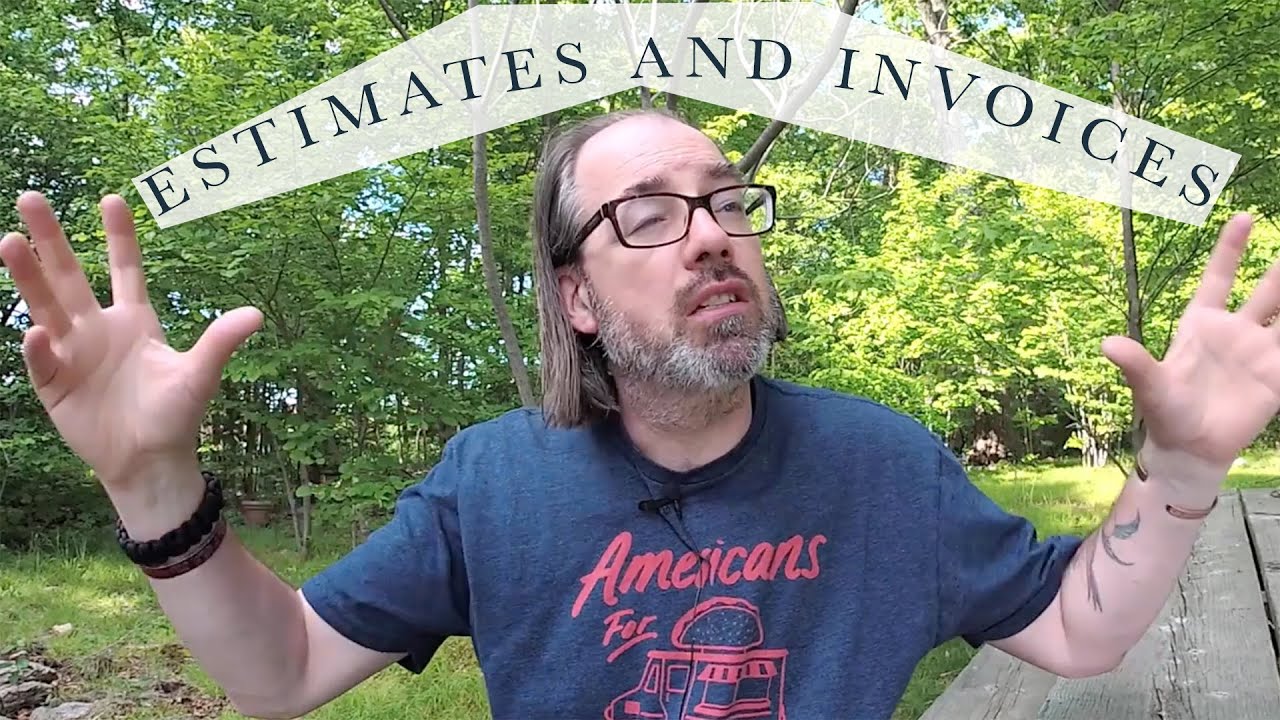
What Commercial Photographers Actually Charge (And Why Day Rate Is Only Part of the Story)
Pricing is the part of photography school nobody actually teaches you. I spent my first two years as a product photographer either undercharging dramatically or fumbling through client conversations about why my quote looked the way it did. The math felt personal when clients pushed back, and I didn’t have a framework solid enough to defend it with confidence.
That changed when I started digging into how working commercial photographers structure their fees, not just what numbers they charge. Watch the full tutorial on YouTube — Daniel Norton breaks this down in a way that finally made the whole system click for me. He has decades of commercial experience, and the way he explains day rates versus usage versus creative fees gave me language I now use in every client estimate I send.
If you shoot product work for brands, e-commerce sellers, or small businesses, understanding this structure matters more than almost any lighting technique. A great photo that’s priced wrong either loses you the job or costs you money you’ll never get back.
Step 1: Understand What a “Day Rate” Actually Represents
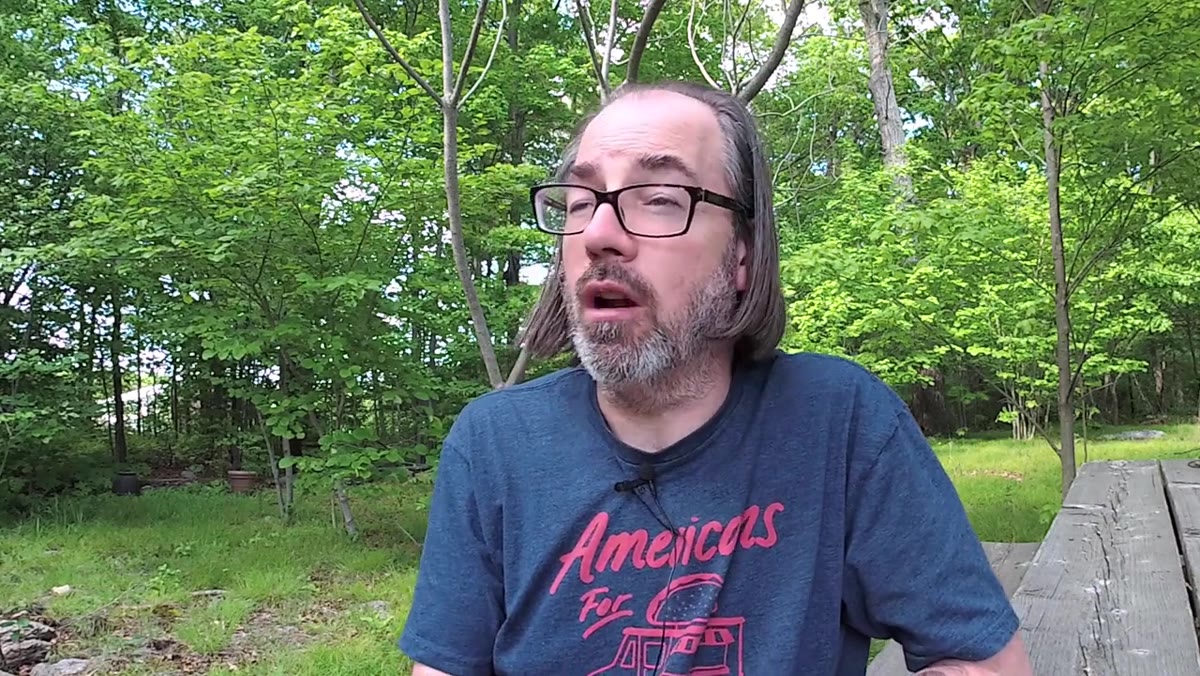 Daniel explaining day rate as a base fee concept
The day rate is not your total income for a shoot day. That’s the misconception that trips up almost every photographer starting out. According to Norton, the day rate is more accurately described as your base fee, the floor of what you bring into a job before anything else gets added. Think of it as your starting number, not your ending one.
Daniel explaining day rate as a base fee concept
The day rate is not your total income for a shoot day. That’s the misconception that trips up almost every photographer starting out. According to Norton, the day rate is more accurately described as your base fee, the floor of what you bring into a job before anything else gets added. Think of it as your starting number, not your ending one.
In practice, this means a photographer might quote a $1,000 day rate and walk away from the project with significantly more than that, or they might quote a $5,000 day rate and still only be one line item in a much larger production budget. The number alone tells you almost nothing without the rest of the estimate around it.
Step 2: Recognize That Expenses and Markups Are Separate Income
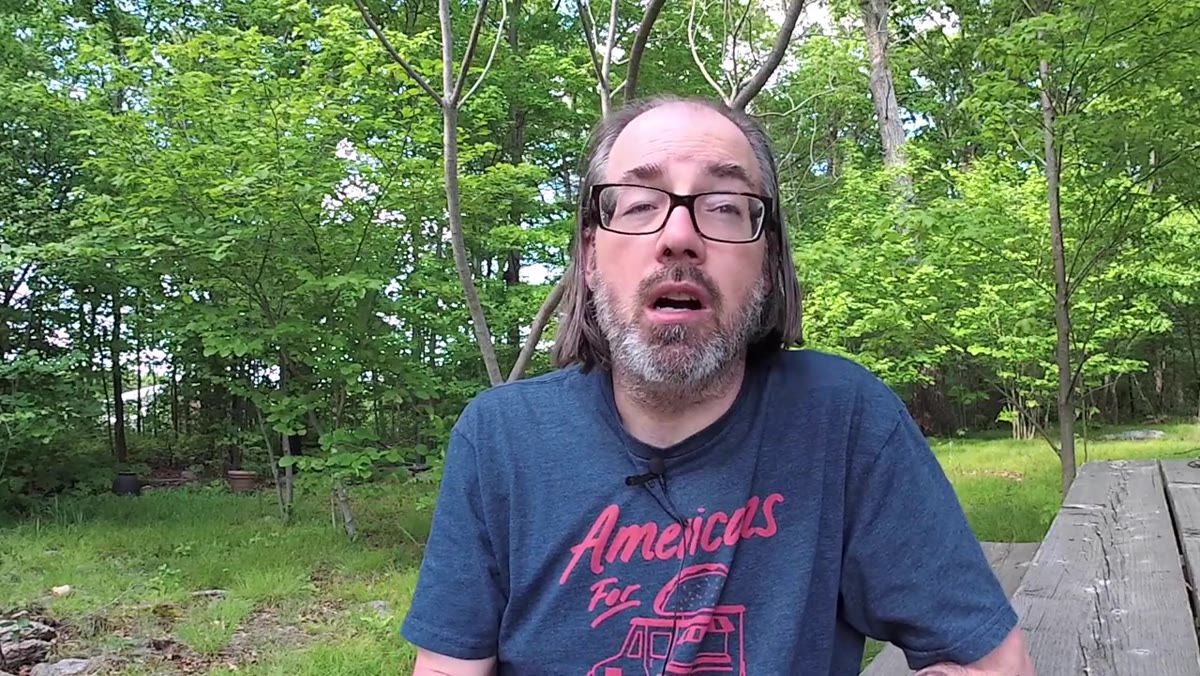 Discussion of expenses as a revenue line beyond the base fee
Beyond the base fee, commercial photographers have historically made meaningful income by marking up production expenses. Equipment rentals, studio fees, assistants, prop costs, catering on set — these are real costs that get passed to the client, and in many cases with a percentage markup that compensates the photographer for sourcing, coordinating, and taking on financial responsibility for those vendors.
Discussion of expenses as a revenue line beyond the base fee
Beyond the base fee, commercial photographers have historically made meaningful income by marking up production expenses. Equipment rentals, studio fees, assistants, prop costs, catering on set — these are real costs that get passed to the client, and in many cases with a percentage markup that compensates the photographer for sourcing, coordinating, and taking on financial responsibility for those vendors.
This is a legitimate and standard industry practice. If you are currently quoting flat project fees that absorb all your costs, you are almost certainly leaving money on the table. Itemizing expenses as separate line items also makes your quote more transparent and easier for clients to approve internally.
Step 3: Learn Why Usage Rights Are Often the Biggest Number
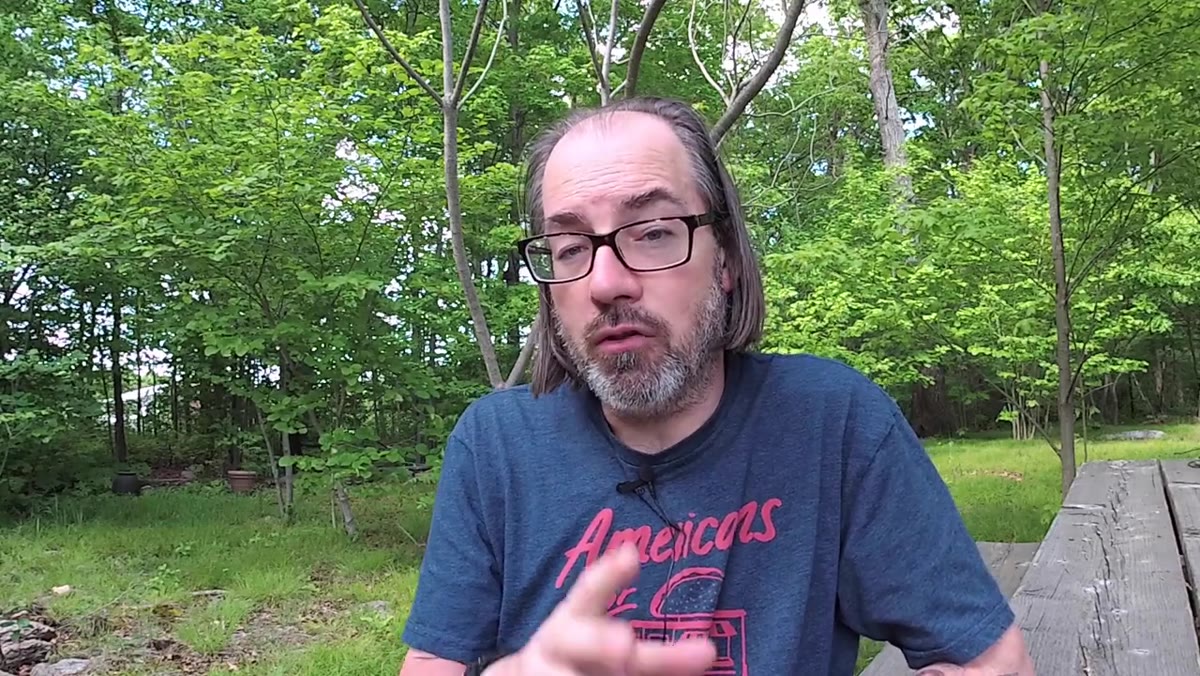 Norton emphasizing usage as a key revenue driver
Usage is the variable that swings a commercial photography estimate more than almost anything else. Norton is direct about this: a national magazine campaign seen by millions of readers commands a fundamentally different fee than a poster run for a local boutique, even if both jobs take the same number of hours on set.
Norton emphasizing usage as a key revenue driver
Usage is the variable that swings a commercial photography estimate more than almost anything else. Norton is direct about this: a national magazine campaign seen by millions of readers commands a fundamentally different fee than a poster run for a local boutique, even if both jobs take the same number of hours on set.
Usage licensing covers where the images appear, for how long, in what territories, and in what quantities. A product image used on a single brand’s website for one year is priced differently than that same image licensed for paid digital ads, print catalogs, and out-of-home placements across three years. When you shoot product work for e-commerce clients, get specific about this in writing before you deliver a single file.
Step 4: Reframe Your Fee as a “Creative Fee” Instead
 Norton describing the shift from day rate to creative fee on estimates
Norton makes a practical suggestion that I adopted immediately after hearing it: stop calling it a day rate on your estimates and start calling it a creative fee. The semantic shift matters more than you’d think. A day rate implies you are billing for time, which opens the door to the client mentally calculating your hourly rate and comparing it to their own salary. A creative fee implies you are billing for expertise, vision, and the accumulated skill that makes the work worth anything at all.
Norton describing the shift from day rate to creative fee on estimates
Norton makes a practical suggestion that I adopted immediately after hearing it: stop calling it a day rate on your estimates and start calling it a creative fee. The semantic shift matters more than you’d think. A day rate implies you are billing for time, which opens the door to the client mentally calculating your hourly rate and comparing it to their own salary. A creative fee implies you are billing for expertise, vision, and the accumulated skill that makes the work worth anything at all.
He uses the Picasso story here, the one where someone questions why a five-minute portrait costs so much, and Picasso explains they are not paying for five minutes but for a lifetime of skill. Whether or not that story is historically accurate, the logic is airtight. Your fee is not a time invoice. It is a value invoice.
Step 5: Account for Scope Creep in Your Creative Fee Structure
 Explaining what happens when a project runs longer than estimated
Here is where the creative fee model requires careful contract language. If you estimate a project at three days and quote a single creative fee covering that scope, what happens when it runs to four days? Norton flags this directly: your small print needs to specify that additional shoot days are billed at an additional rate, otherwise your creative fee could be interpreted as covering all work regardless of how long it takes.
Explaining what happens when a project runs longer than estimated
Here is where the creative fee model requires careful contract language. If you estimate a project at three days and quote a single creative fee covering that scope, what happens when it runs to four days? Norton flags this directly: your small print needs to specify that additional shoot days are billed at an additional rate, otherwise your creative fee could be interpreted as covering all work regardless of how long it takes.
I build this into every estimate I send. The creative fee covers the agreed scope. Any additions, whether extra shoot days, revised concepts, or expanded deliverables, are quoted separately before the work begins. That one paragraph in your contract saves you from some very uncomfortable post-project conversations.
Step 6: Understand How Magazine Day Rates Work Differently
 Norton describing day-plus-space rates in magazine photography
Editorial magazine work often uses a different structure called a day-plus-space rate. The photographer receives a flat day rate for their time on set plus additional payment based on how the images are used within the publication. A full page pays a different rate than a quarter page. A cover commands a premium. The final invoice reflects both the time spent shooting and the placement the images ultimately received.
Norton describing day-plus-space rates in magazine photography
Editorial magazine work often uses a different structure called a day-plus-space rate. The photographer receives a flat day rate for their time on set plus additional payment based on how the images are used within the publication. A full page pays a different rate than a quarter page. A cover commands a premium. The final invoice reflects both the time spent shooting and the placement the images ultimately received.
This model is worth understanding even if you primarily shoot product and e-commerce work, because some clients, particularly those who produce lookbooks or catalogs, may want to structure licensing fees similarly. Knowing the logic behind it lets you speak the language and negotiate clearly.
What I’d Add From My Own Experience
The framework Norton describes was built in a world of large agency productions, but the principles apply directly to small-business product photography too. When I helped my mom photograph her jewelry properly and her sales tripled, the photos were the product. The creative fee was justified not by hours spent but by the business outcome the images created.
The practical change I made: I now send every client a two-section estimate. Section one is the creative fee with a clear scope definition. Section two is usage, with specific terms spelled out. Clients who have only worked with cheap freelancers are sometimes surprised by the second section, but it also signals professionalism and usually builds trust rather than losing the job. Price your work on its value, then explain that value clearly, and the right clients will understand.
The single most important idea from this tutorial is that a day rate is a base number, not a total. Usage rights and a well-defended creative fee structure are where sustainable photography income actually lives. If you are currently quoting flat rates with no usage language, this video will change how you think about every estimate you write.
Watch the full tutorial on YouTube and pay particular attention to how Norton frames the creative fee conversation. The language he uses is worth borrowing almost word for word.