Jewelry Photography: Master Lighting and Reflections for E-commerce
Jewelry Photography: Master Lighting and Reflections for E-commerce
I’ve spent years photographing everything from electronics to fashion, but jewelry humbles me every single time. It’s small, reflective, and demands obsessive attention to light. But that’s exactly why mastering jewelry photography separates good product photographers from great ones.
Why Jewelry Photography Requires Different Rules
Jewelry isn’t like photographing a water bottle or a shoe. Metal catches light unpredictably. Gemstones refract it. Diamonds scatter it in directions you didn’t plan for. One poorly placed light source creates a blown-out reflection that destroys the entire image. I learned this the hard way—shooting my first diamond ring with standard product lighting left me with a white blob where the stone should be.
The stakes are high for e-commerce too. Jewelry is high-ticket, detail-critical, and buyers need absolute confidence in what they’re purchasing. A single image determines whether someone spends $500 or walks away.
Control Your Light Source: Diffusion First
Here’s my non-negotiable rule: no hard light on jewelry. Ever.
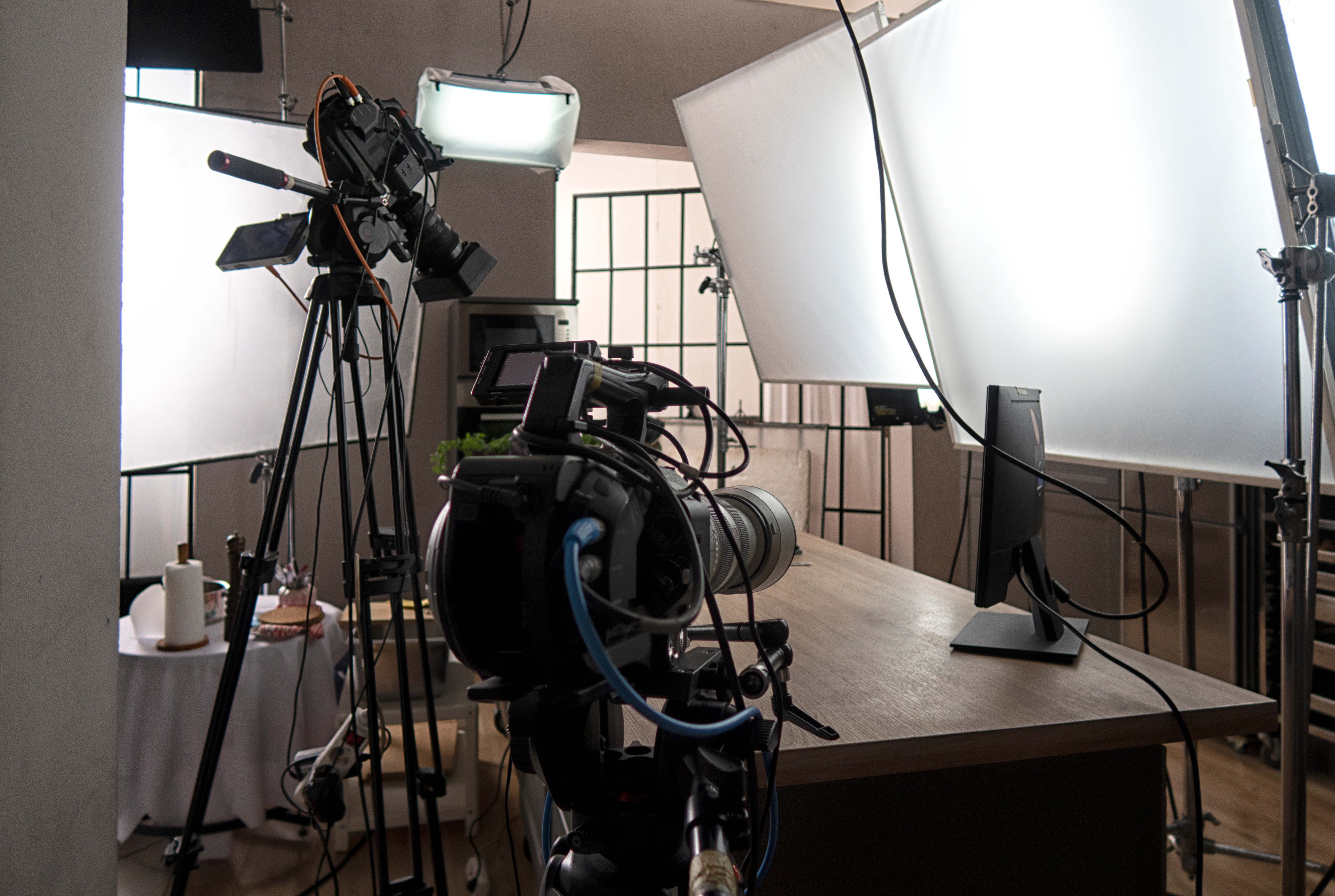
I use a 5-foot octagonal softbox positioned at a 45-degree angle, about 18 inches from the piece. This creates soft, directional light that reveals detail without harsh shadows. The size matters—larger diffusion spreads light more evenly across small surfaces, preventing those tiny hot spots that tank jewelry shots.
But softboxes alone aren’t enough. I add diffusion paper or frosted acrylic panels between the light and jewelry to further soften the output. This extra step removes specular highlights that look amateurish and harsh.
The Fill Strategy: Reflectors Over Second Lights
I rarely use a second light source for jewelry. Instead, I use reflectors—white foam core and silver reflective panels—positioned opposite my main light. This bounces light back into shadow areas without creating competing highlights.
The trick: start with a white reflector at about 3 feet away. If shadows are still too dark, move it closer in 6-inch increments. You’re filling shadows gradually, not blasting light. A silver reflector creates snappier contrast; white is gentler. I keep both on set and swap based on the piece.
Camera Settings for Jewelry Detail
Jewelry demands technical precision:
- Aperture: f/8 to f/11 — Gives you depth of field to keep intricate details sharp without diffraction softness
- Shutter speed: 1/125 to 1/250 — Fast enough to prevent any camera shake on small subjects
- ISO: 100-400 — Depends on your light setup; I keep it as low as possible to maintain clarity
- Focal length: 90mm to 105mm macro — Gets you close without distorting proportions; lets you work at a comfortable distance from lights
Background and Staging Matter More Than You Think
I shoot jewelry on white, gray, or subtle textured backgrounds. Busy backgrounds distract from the piece and look cheap. For rings and bracelets, I use jewelry stands or simple acrylic blocks—they hold pieces securely at ideal angles without visible support.
Avoid placing jewelry flat on surfaces. Angle it slightly (15-25 degrees) so light hits facets and surfaces at dynamic angles. A simple adjustment creates dimension and makes stones look more alive.
Post-Processing: Minimal Touch Is Professional
I resist over-processing jewelry. Heavy editing looks fake and destroys buyer confidence on high-value items.
My workflow: correct white balance first (use a gray card on set—this saves hours in post), then subtle contrast and clarity adjustments. Remove dust and debris. That’s it. The lighting should do 90% of the work.
The Real Skill: Practice With Real Pieces
Everything I’ve explained requires practice. Shoot the same ring 20 different ways. Move your reflector one foot and reshoot. Change your softbox angle. You’ll develop an intuition for how light behaves on different metals and stones.
Jewelry photography isn’t magic—it’s controlled light applied with precision. Master it, and you’ll shoot better product photos overall.