How Creative Agencies Actually Find Commercial Photographers (And What That Means for Your Portfolio Strategy)
If you shoot products for a living, you probably spend more time thinking about lighting ratios and background textures than about how the people who hire photographers actually find them. I did too, for longer than I’d like to admit. It wasn’t until I started trying to move some of my work into commercial advertising territory that I realized I had almost no idea how the other side of that transaction worked. Who is actually opening those email promos? Does direct mail still matter? Is anyone searching for photographers on Google, or is it all word-of-mouth and industry directories?
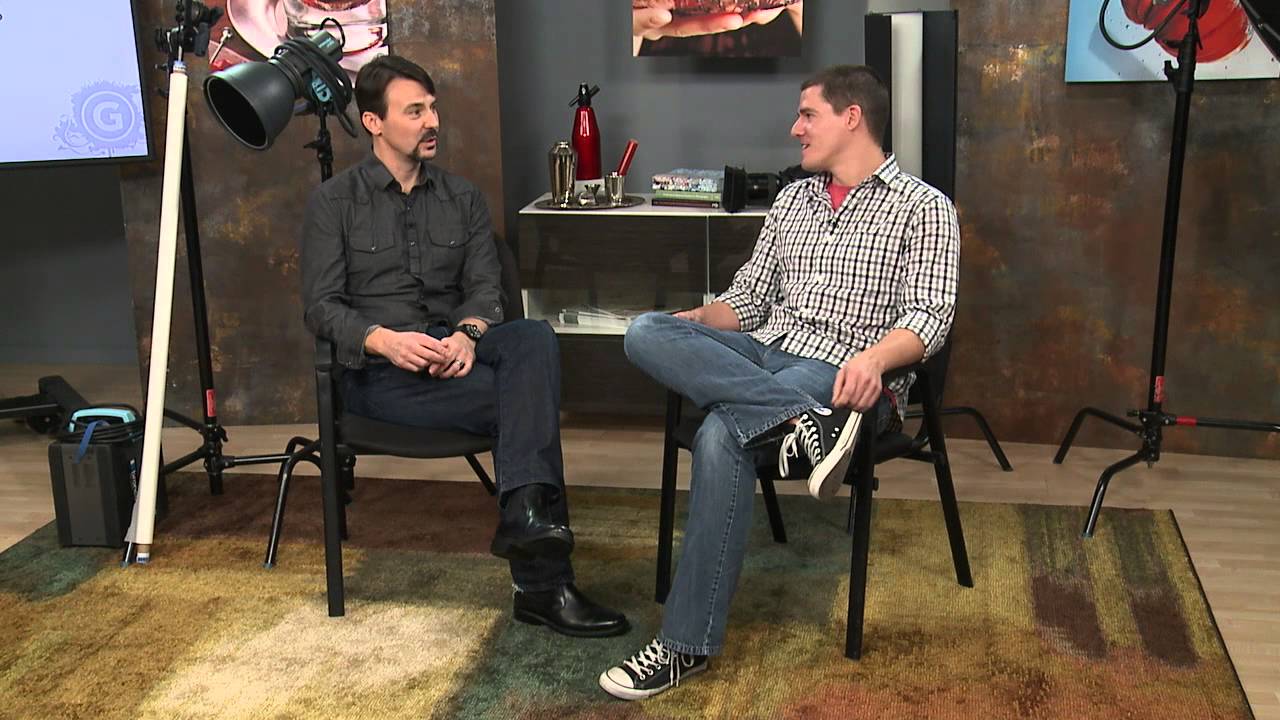
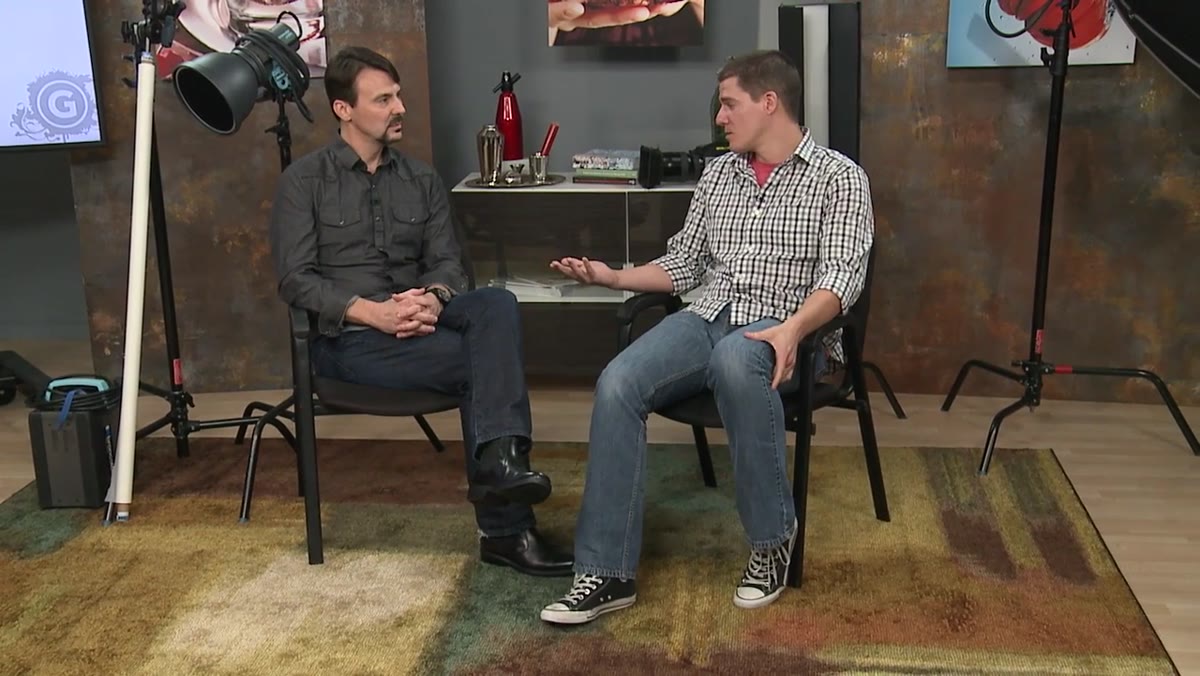
In this CreativeLive tutorial, a creative director at a mid-sized agency walks through exactly how he and his team source photographers for advertising campaigns. Watch the full tutorial on YouTube. There’s no glamorous system here. It’s a conversation between two people who have actually sat on both sides of the desk, and the specifics they share are more useful than anything I’ve read in a generic “how to get clients” blog post. Here’s what I pulled out of it, reframed for photographers who are trying to get their work in front of the right people.
Step 1: Understand Whether the Agency Has an Art Buyer or Not
 Art director explains art buyer role at different agency sizes
Not every agency runs the same way, and the structure of the agency determines who you actually need to reach. Larger agencies often have a dedicated art buyer whose job is to maintain a roster of photographers, field promos, and present options to creative directors. Smaller agencies skip that role entirely and put the sourcing work directly on the creative director or art director.
Art director explains art buyer role at different agency sizes
Not every agency runs the same way, and the structure of the agency determines who you actually need to reach. Larger agencies often have a dedicated art buyer whose job is to maintain a roster of photographers, field promos, and present options to creative directors. Smaller agencies skip that role entirely and put the sourcing work directly on the creative director or art director.
This matters for your outreach strategy. If you’re targeting a large agency, your promo materials might land with an art buyer first and get filtered before they ever reach a creative director. At a smaller shop, the creative director is doing all of it themselves, which means your email or mailer lands directly in the hands of the decision-maker. Research the agency’s size and structure before you send anything, and tailor who you address.
Step 2: Know That the Creative Director Still Drives the Final Choice
 Creative director describes personal responsibility for finding photographers
Even when an art buyer is involved, the creative director described still feeling personally responsible for finding the right photographer. The art buyer might surface options, pull portfolios from directories, and work their own network, but the final instinct about who fits a project comes from the creative. Art buyers narrow the field. Creative directors make the call.
Creative director describes personal responsibility for finding photographers
Even when an art buyer is involved, the creative director described still feeling personally responsible for finding the right photographer. The art buyer might surface options, pull portfolios from directories, and work their own network, but the final instinct about who fits a project comes from the creative. Art buyers narrow the field. Creative directors make the call.
That means your portfolio needs to communicate something beyond technical competence. A creative director is asking themselves whether working with you will solve their specific problem on this specific campaign. Your promo materials need to show range within a niche, not just a highlight reel of your best shots. If you shoot food and lifestyle products, show how your lighting shifts between moods. Give them something to project their project onto.
Step 3: Send Email Promos, But Make the Click Effortless
 Creative director discusses receiving photographer emails and clicking links
The creative director in this tutorial receives more photographer outreach by email than by physical mail, and he does look at it, though not every day and not every message. The key detail he offers is about friction. When an email includes a link to his work and something catches his attention, he’ll click through. But a direct mail piece that requires him to type a URL into his browser adds one extra step, and that step is sometimes enough for him to set it aside.
Creative director discusses receiving photographer emails and clicking links
The creative director in this tutorial receives more photographer outreach by email than by physical mail, and he does look at it, though not every day and not every message. The key detail he offers is about friction. When an email includes a link to his work and something catches his attention, he’ll click through. But a direct mail piece that requires him to type a URL into his browser adds one extra step, and that step is sometimes enough for him to set it aside.
For email, this means your call to action needs to be a single, obvious hyperlink or button. Your subject line needs to earn the open, and the first image he sees needs to stop the scroll. I test my own promo emails the same way I test lighting setups: I send them to myself and open them on my phone. If I have to pinch and zoom to see the work, or hunt for where to click, the email fails before the photography even gets a chance.
Step 4: Understand That Direct Mail Still Works, Especially When It’s Unusual
 Creative director describes keeping unique direct mail pieces
The creative director makes an interesting distinction about physical mail. Generic postcards get glanced at and recycled. But an unusual, well-designed piece that doesn’t look like everything else will get handled longer, sometimes pinned up, sometimes kept on a desk. His wife, also a creative director, is the inverse of him. She barely opens promotional emails but will spend real time with a physical piece she can hold.
Creative director describes keeping unique direct mail pieces
The creative director makes an interesting distinction about physical mail. Generic postcards get glanced at and recycled. But an unusual, well-designed piece that doesn’t look like everything else will get handled longer, sometimes pinned up, sometimes kept on a desk. His wife, also a creative director, is the inverse of him. She barely opens promotional emails but will spend real time with a physical piece she can hold.
This tells you two things. First, different decision-makers have different preferences, and you can’t know which type you’re reaching. A multi-channel approach, both email and direct mail, covers more ground. Second, if you’re going to spend money on printing and postage, spend it on something that doesn’t look like a standard 4x6 postcard. A well-produced printed piece with strong product photography signals immediately that you care about how things look. For product photographers especially, the promo IS the portfolio. It’s a product photo. Make it look like your best work.
Step 5: Use Industry Directories as a Baseline, Not a Strategy
 Creative director describes using Workbook to find photographers
The tutorial references Workbook, a printed and digital industry directory, as a go-to resource for finding photographers. The creative director describes actually flipping through the physical pages, noting that it provides a tactile break from staring at a screen all day. This is worth taking seriously. After hours looking at backlit monitors, a printed directory with reflective ink on paper is genuinely easier on the eyes, and that physical experience can make a portfolio page feel more memorable.
Creative director describes using Workbook to find photographers
The tutorial references Workbook, a printed and digital industry directory, as a go-to resource for finding photographers. The creative director describes actually flipping through the physical pages, noting that it provides a tactile break from staring at a screen all day. This is worth taking seriously. After hours looking at backlit monitors, a printed directory with reflective ink on paper is genuinely easier on the eyes, and that physical experience can make a portfolio page feel more memorable.
Listing in industry directories is table stakes if you want to work with agencies. It’s not a silver bullet, but it puts you in the place where creative directors are actively looking. Think of it as making sure you’re in the room. Your email promos and direct mail are what make you stand out once someone notices you’re there.
What I’d Add From My Own Experience
The tutorial focuses on the agency side, which is exactly the perspective product photographers rarely get. But there’s a layer underneath this conversation that I think about constantly: specificity wins. A creative director sourcing a photographer for a consumer goods campaign is not looking for the best photographer in general. They’re looking for the photographer who clearly shoots this kind of product, at this kind of quality level, for this kind of brand tone.
When I started shooting e-commerce and product work full-time, I had a portfolio that tried to show everything. Jewelry, food, skincare, tech accessories, all mixed together. The response was quiet. When I rebuilt my portfolio around a cleaner focus, with consistent lighting language and a more deliberate brand feel, the inquiries became more specific and more serious. Agencies and brands need to be able to imagine their product in your hands. Make that imagination as easy as possible for them.
The single most important thing I took from this tutorial is that photographer discovery is a patchwork process, not a funnel. Creative directors are finding photographers through directories, through physical mail, through email promos, through referrals, and occasionally through a search. No single channel is reliable on its own. Showing up consistently across multiple touchpoints, email, print, directories, and a strong online presence, is what builds the familiarity that eventually turns into a call.
Watch the full tutorial on YouTube to hear the full conversation, including details about SEO and how creative directors actually search for photographers online.