White Backgrounds and Reflective Surfaces: The Science of Clean Product Photography

White Backgrounds and Reflective Surfaces: The Science of Clean Product Photography

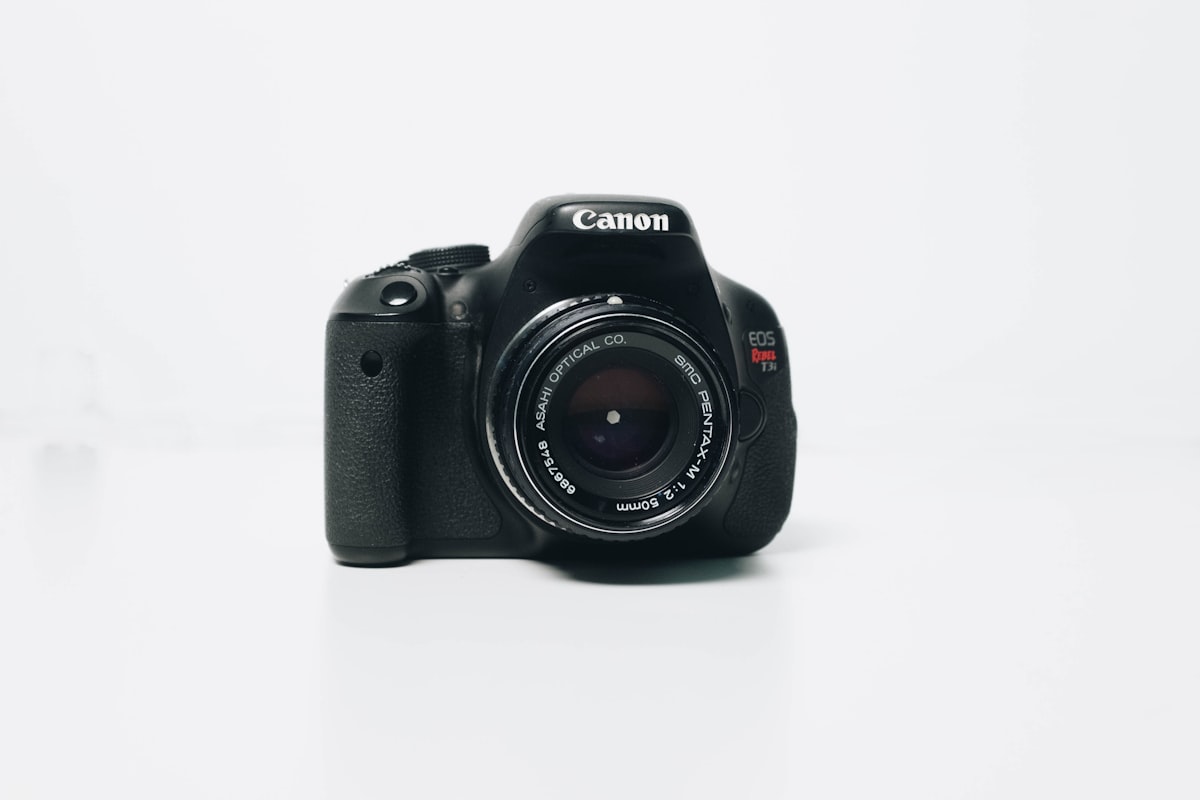
White Backgrounds and Reflective Surfaces: The Science of Clean Product Photography I’ve spent years chasing the perfect white background setup, and I’ve learned that “white” isn’t actually the simple part of product photography—getting it to stay white is where the real work happens. When you’re shooting for e-commerce, your background isn’t just empty space; it’s a critical tool for controlling light, eliminating shadows, and making your product the undeniable focal point.

Mastering Product Lighting for Jewelry: The Science of Sparkle

Mastering Product Lighting for Jewelry: The Science of Sparkle

Mastering Product Lighting for Jewelry: The Science of Sparkle Jewelry photography breaks most conventional product lighting rules. You can’t just bounce a softbox at a diamond ring and expect magic—the geometry of light hitting faceted surfaces demands precision. I’ve spent countless hours repositioning a single light by millimeters to catch the exact refraction that makes a stone sing. Here’s what I’ve learned works consistently. Why Standard Product Lighting Fails on Jewelry Most product photographers light for diffuse surfaces: wood, fabric, ceramics.

Mastering Reflective Surfaces in Bottle Photography: Light Control and Setup

Mastering Reflective Surfaces in Bottle Photography: Light Control and Setup

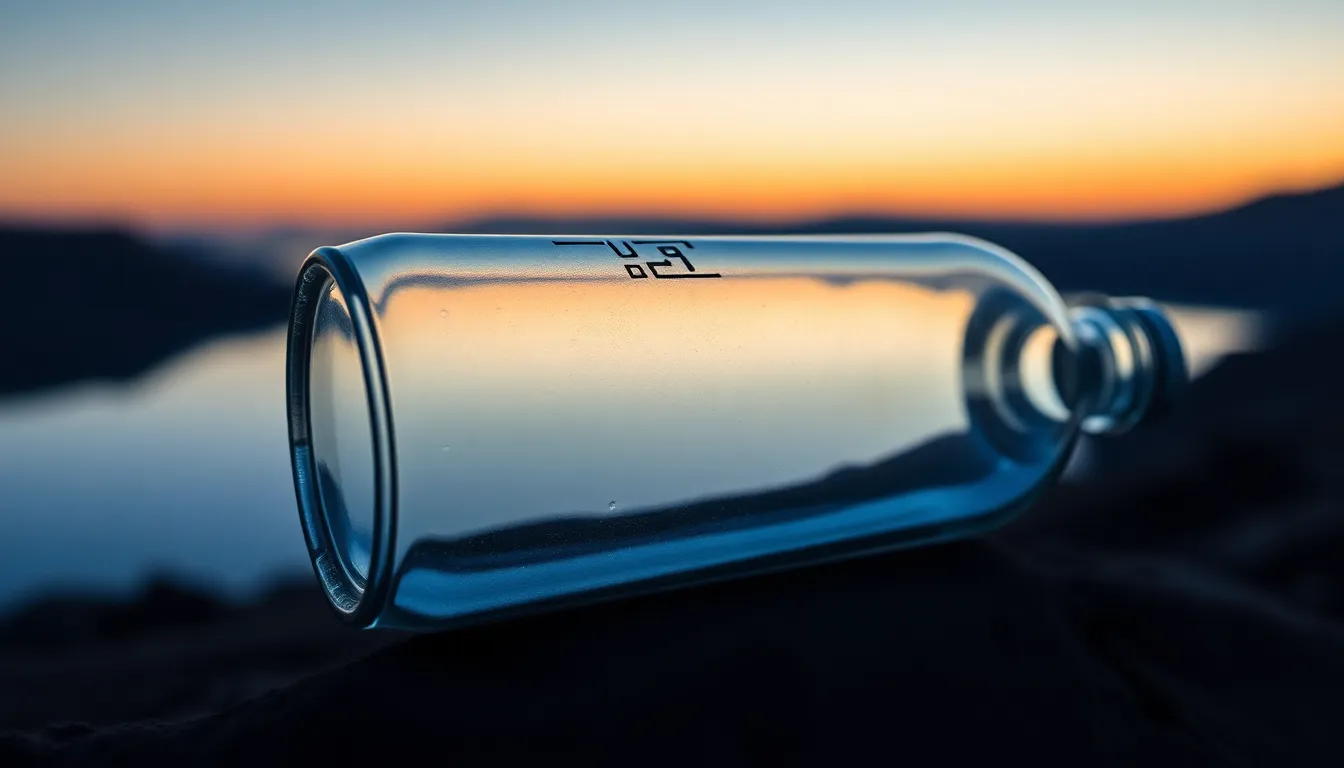
Mastering Reflective Surfaces in Bottle Photography: Light Control and Setup Bottles are deceptively difficult to photograph. That glossy or transparent surface that makes them beautiful in person becomes your enemy behind the camera—unless you understand how to work with reflection rather than against it. I’ve spent years photographing everything from wine bottles to skincare serums, and I’ve learned that reflective surfaces aren’t a problem to solve. They’re a variable to control.

Reflective Surfaces in Flat Lay: Control Light, Control Sales

Reflective Surfaces in Flat Lay: Control Light, Control Sales

Reflective Surfaces in Flat Lay: Control Light, Control Sales I spend more time thinking about what bounces light than what creates it. That’s the secret most product photographers won’t tell you: the quality of your reflectors matters more than your key light. When you’re shooting flat lay—where every angle is visible and every shadow becomes a design element—reflective surfaces stop being optional. They become your second (and sometimes first) light source.

Reflective Surfaces in Product Photography: Control Light Like a Physicist

Reflective Surfaces in Product Photography: Control Light Like a Physicist

I’ve watched too many product photographers struggle with harsh shadows and uneven lighting, only to discover they’re fighting against reflective surfaces instead of using them strategically. When you understand how light bounces, you stop chasing problems and start solving them methodically. Why Reflective Surfaces Matter More Than You Think Every surface in your setup reflects light—it’s not optional. Your white backdrop, the table your product sits on, even the walls behind your camera are all working for or against you.

Reflective Surfaces in Product Photography: Control Light Like a Scientist

Reflective Surfaces in Product Photography: Control Light Like a Scientist

Reflective Surfaces in Product Photography: Control Light Like a Scientist I’ve spent years watching photographers waste expensive lighting equipment because they didn’t understand what reflective surfaces actually do. They’re not decoration—they’re tools that let you sculpt light with precision. When you understand how reflection works at a technical level, your product images stop looking flat and start looking dimensional. The Physics You Need to Know Light behaves predictably. When it hits a surface, it either absorbs, scatters, or reflects.