
Jewelry Photography: Mastering Light Control and Surface Reflection

Jewelry Photography: Mastering Light Control and Surface Reflection

Jewelry Photography: Mastering Light Control and Surface Reflection I’ve spent countless hours photographing rings, necklaces, and bracelets—each one presenting its own lighting puzzle. Jewelry demands a different technical approach than most product categories. The stakes are high: a single poorly lit image can cost you a sale. Here’s what I’ve learned. Why Jewelry Requires Specialized Technique Jewelry is small, reflective, and dimensionally complex. Unlike photographing a shoe or a handbag, you’re working with surfaces that bounce light in unpredictable ways.

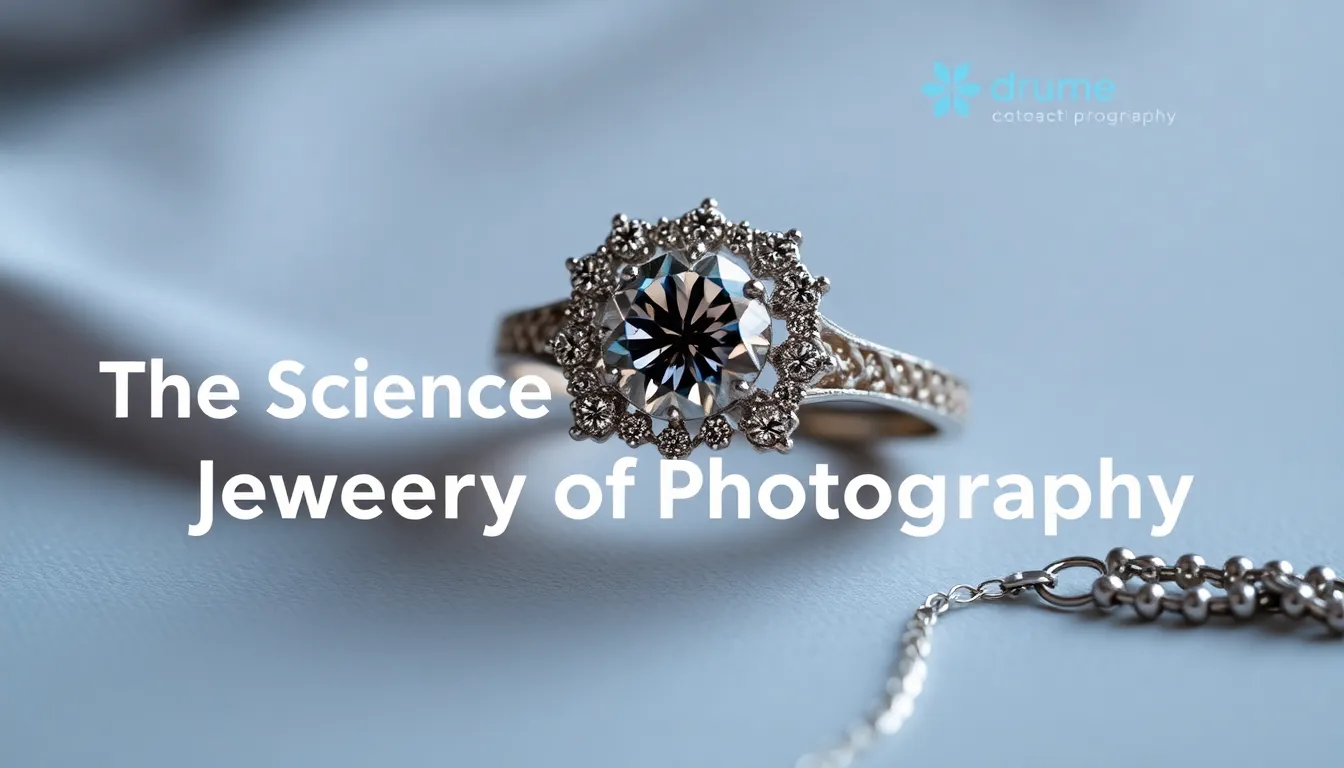
Jewelry Photography: Mastering Light, Reflection, and Detail

Jewelry Photography: Mastering Light, Reflection, and Detail

Jewelry Photography: Mastering Light, Reflection, and Detail Jewelry is unforgiving. A single harsh shadow across a diamond, one unwanted reflection in a polished surface, or an underexposed stone detail can cost you the sale. I’ve spent hundreds of hours refining jewelry shots, and I want to share what actually works. The Core Challenge: Controlling Reflections Every piece of jewelry is essentially a mirror. Gold, silver, diamonds, and gemstones all reflect light aggressively.

The Science of Jewelry Photography: Mastering Light and Reflection

The Science of Jewelry Photography: Mastering Light and Reflection

The Science of Jewelry Photography: Mastering Light and Reflection Jewelry photography demands obsessive attention to detail—and for good reason. A single misplaced light source can obliterate the sparkle that makes a diamond compelling, or cast your gold band in sickly yellow tones. After years of shooting everything from delicate chains to statement rings, I’ve learned that jewelry isn’t just about capturing what’s there. It’s about controlling exactly how light behaves on metal and gemstones.