Mastering Product Lighting for Food Photography: A Technical Breakdown

Mastering Product Lighting for Food Photography: A Technical Breakdown

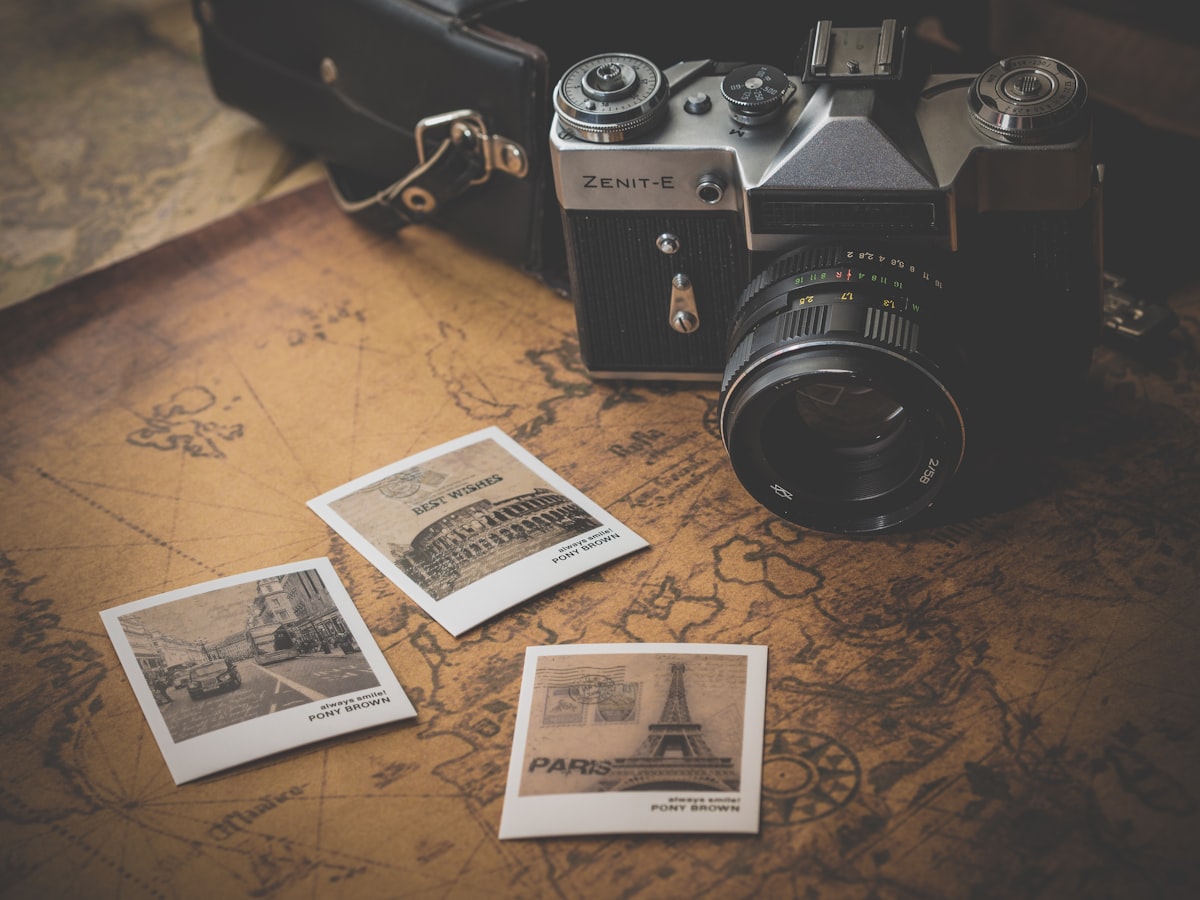
Why Food Lighting Demands Precision I’ve spent enough time behind food product shots to know this: lighting makes or breaks whether someone clicks “add to cart.” Unlike clothing or electronics, food has no second chances. A poorly lit croissant looks stale. A badly exposed sauce looks unappetizing. You’re not just documenting a product—you’re creating an appetite. The difference between mediocre and compelling food photography lives in three controllable variables: light direction, light quality, and color temperature.

Mastering Clothing Flat Lay: Lighting Setups That Sell

Mastering Clothing Flat Lay: Lighting Setups That Sell

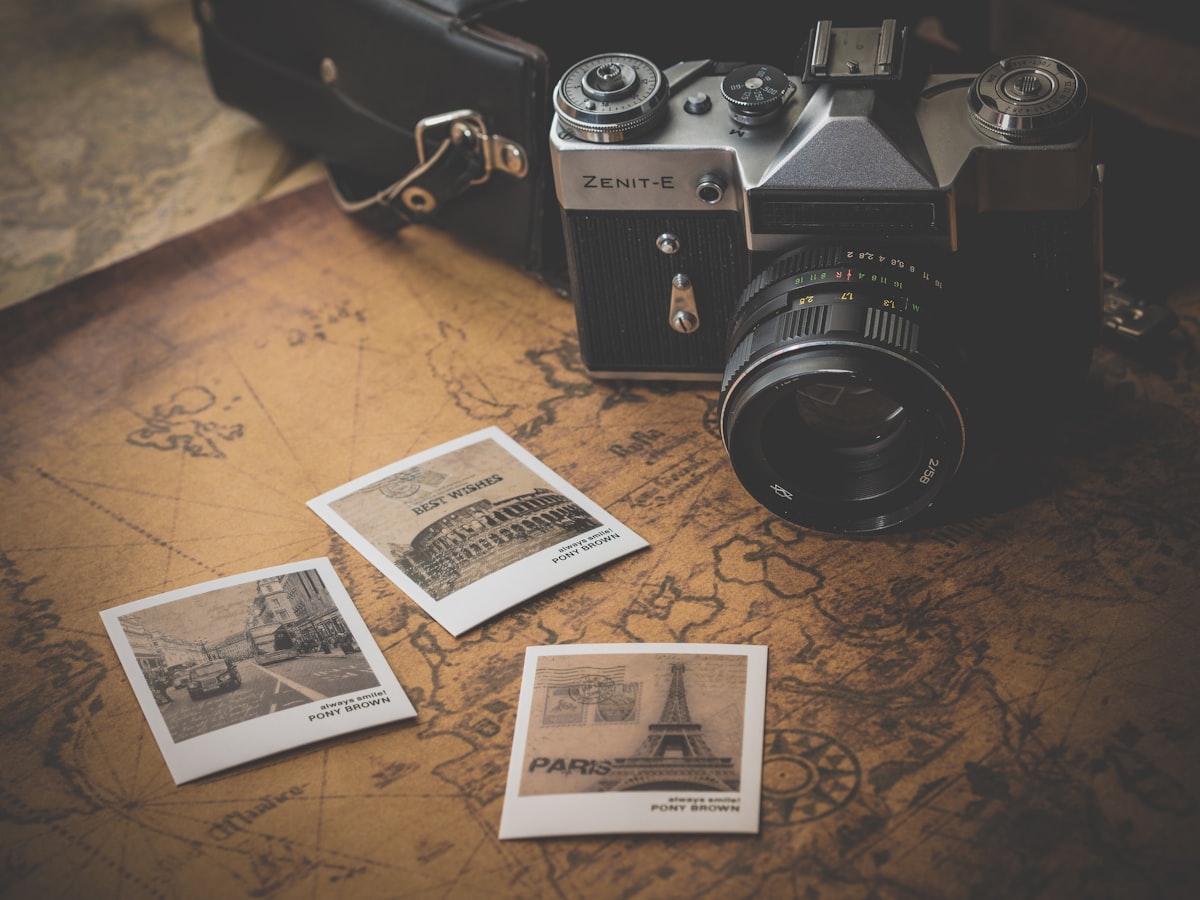
Mastering Clothing Flat Lay: Lighting Setups That Sell I’ve shot thousands of clothing flat lays, and I can tell you this: most fail because photographers treat fabric like rigid objects. Clothing has texture, drape, and dimension that demands specific light positioning. Get the lighting wrong, and even a beautiful garment looks flat and lifeless in your final image. Let me walk you through the exact approach I use to make clothing sing in flat lay composition.

Mastering Bottle Photography: Lighting Techniques That Sell

Mastering Bottle Photography: Lighting Techniques That Sell

Mastering Bottle Photography: Lighting Techniques That Sell Bottles are deceptively difficult. They’re transparent, reflective, and unforgiving. I’ve spent years refining my approach, and I want to share exactly what works—because the difference between a flat, amateur bottle shot and a professional one comes down to understanding how light behaves on glass. Why Bottles Demand Different Lighting A bottle has three surfaces competing for attention: the liquid inside, the glass itself, and the label.

Mastering Product Lighting: The Three-Light Foundation That Works for Everything

Mastering Product Lighting: The Three-Light Foundation That Works for Everything

Mastering Product Lighting: The Three-Light Foundation That Works for Everything I’ve lit thousands of products—from jewelry to electronics to food—and I can tell you this: most photographers overthink lighting. They chase complex setups when a solid understanding of three fundamental lights solves nearly every problem. Let me walk you through the system I built my career on, the one I teach every client who wants consistency in their e-commerce images.

The Science Behind Etsy Product Photography: Lighting That Converts

The Science Behind Etsy Product Photography: Lighting That Converts

I’ve photographed thousands of products for Etsy sellers, and I’ve noticed a clear pattern: the listings that convert aren’t always the most expensive products—they’re the ones with the most convincing photography. The difference between a product that sits in someone’s cart and one they abandon comes down to how light hits your item and what your camera actually captures. Let me walk you through the exact approach I use. Understand Your Light Source First Before you touch your camera, you need to understand light direction and quality.

How to Build a DIY Lightbox That Actually Works for Product Photography

How to Build a DIY Lightbox That Actually Works for Product Photography

How to Build a DIY Lightbox That Actually Works for Product Photography I’ve spent years perfecting lighting in controlled environments, and I can tell you this: you don’t need $500 equipment to get professional results. A well-built DIY lightbox is about understanding how light behaves, not just throwing money at gear. Let me walk you through building one that’ll produce clean, shadow-free product images. Why a Lightbox Matters (And Why Homemade Works) A lightbox controls light diffusion and direction.

Reflective Surfaces in Product Photography: Control Light Like a Scientist

Reflective Surfaces in Product Photography: Control Light Like a Scientist

Reflective Surfaces in Product Photography: Control Light Like a Scientist I’ve spent years watching photographers waste expensive lighting equipment because they didn’t understand what reflective surfaces actually do. They’re not decoration—they’re tools that let you sculpt light with precision. When you understand how reflection works at a technical level, your product images stop looking flat and start looking dimensional. The Physics You Need to Know Light behaves predictably. When it hits a surface, it either absorbs, scatters, or reflects.

Jewelry Photography: Mastering Micro-Lighting for E-Commerce

Jewelry Photography: Mastering Micro-Lighting for E-Commerce

Jewelry Photography: Mastering Micro-Lighting for E-Commerce Jewelry demands respect. Unlike clothing or electronics, a single poorly lit ring or necklace can tank conversion rates because customers can’t see what they’re actually buying. I’ve spent thousands of hours lighting gems, metals, and stones—and I want to share what actually works. The Fundamental Challenge Jewelry reflects light in ways that are either brilliant or catastrophic. A diamond should sparkle; a gold band should glow warmly.

Mastering Product Lighting: The Science Behind Studio Setups That Sell

Mastering Product Lighting: The Science Behind Studio Setups That Sell

Mastering Product Lighting: The Science Behind Studio Setups That Sell I’ve spent years testing lighting setups, and I can tell you with certainty: the difference between a product photo that converts and one that doesn’t often comes down to how light wraps around your subject. It’s not magic—it’s physics. And once you understand the principles, you can replicate results consistently. Understanding Light Ratio and Why It Matters Before I touch a single modifier, I calculate my light ratio.