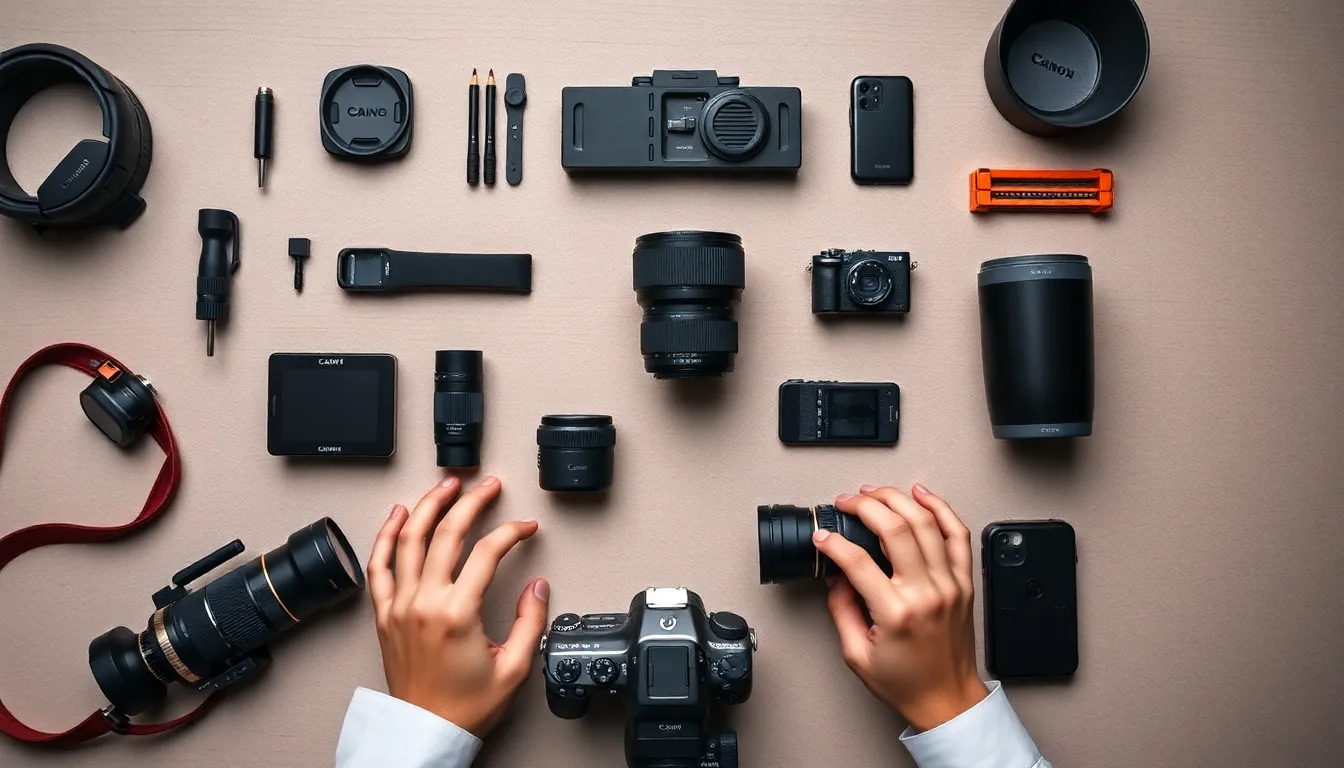
Mastering Bottle Photography: Lighting and Composition for E-Commerce

Mastering Bottle Photography: Lighting and Composition for E-Commerce

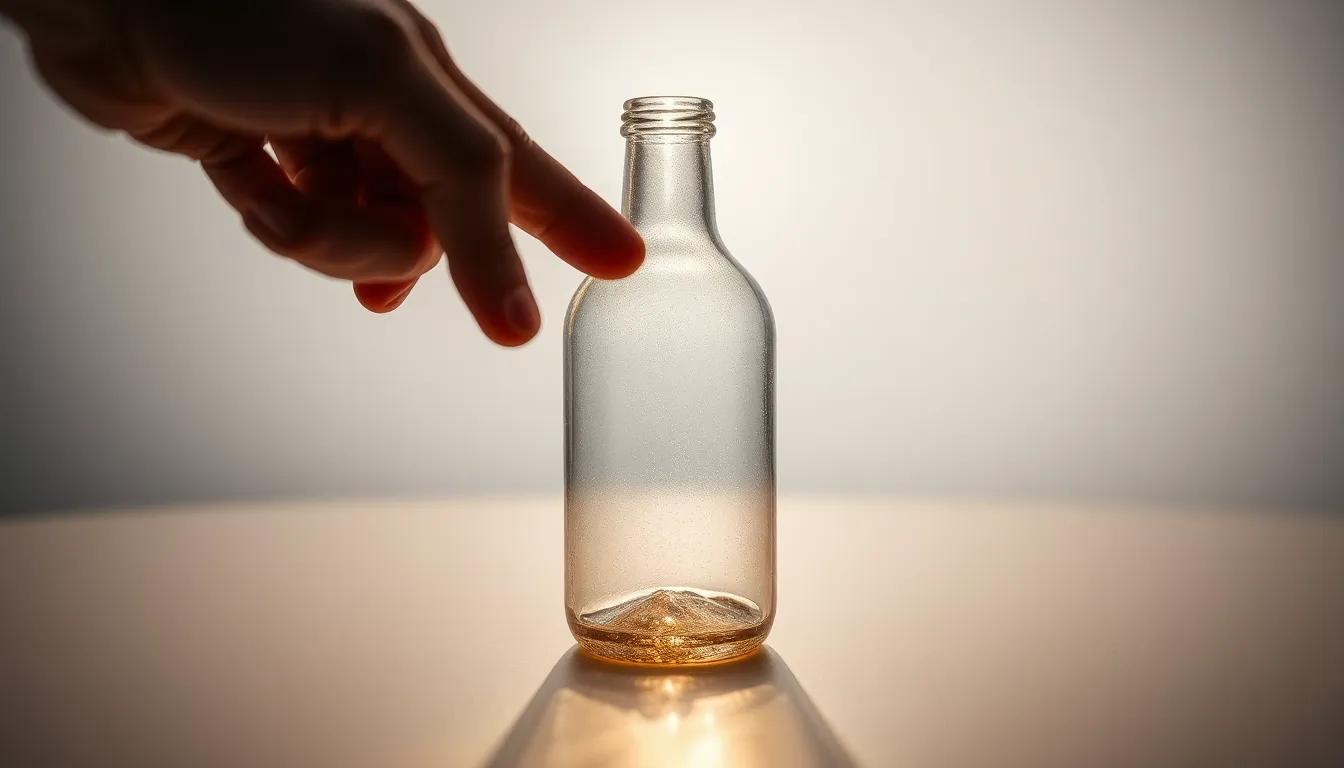
Mastering Bottle Photography: Lighting and Composition for E-Commerce Bottle photography intimidates a lot of photographers, and I understand why. You’re dealing with reflective surfaces, transparency issues, and the constant battle against unwanted highlights. But bottles are also one of the most rewarding subjects to master—once you understand the light behavior on glass, you’ll apply those principles everywhere. I’ve shot thousands of bottles: skincare, beverages, supplements, spirits. Each taught me something about controlling reflection and revealing product texture.

The Science of Food Lighting: Master Shadow, Contrast, and Appetite Appeal

The Science of Food Lighting: Master Shadow, Contrast, and Appetite Appeal

The Science of Food Lighting: Master Shadow, Contrast, and Appetite Appeal I’ve spent years photographing everything from luxury chocolates to meal kits, and I’ve learned one non-negotiable truth: food photography lives or dies by light. Not composition, not styling, not color grading—though those matter. Light is the foundation. The wrong light makes a $40 steak look like a $4 bargain bin find. The right light makes it irresistible. Why Food Requires Different Lighting Than Other Products Food has unique optical challenges that most product photographers underestimate.

Jewelry Photography: Mastering Light Control and Surface Reflection

Jewelry Photography: Mastering Light Control and Surface Reflection

Jewelry Photography: Mastering Light Control and Surface Reflection I’ve spent countless hours photographing rings, necklaces, and bracelets—each one presenting its own lighting puzzle. Jewelry demands a different technical approach than most product categories. The stakes are high: a single poorly lit image can cost you a sale. Here’s what I’ve learned. Why Jewelry Requires Specialized Technique Jewelry is small, reflective, and dimensionally complex. Unlike photographing a shoe or a handbag, you’re working with surfaces that bounce light in unpredictable ways.

Bottle Photography: Mastering Light, Refraction, and Reflection

Bottle Photography: Mastering Light, Refraction, and Reflection

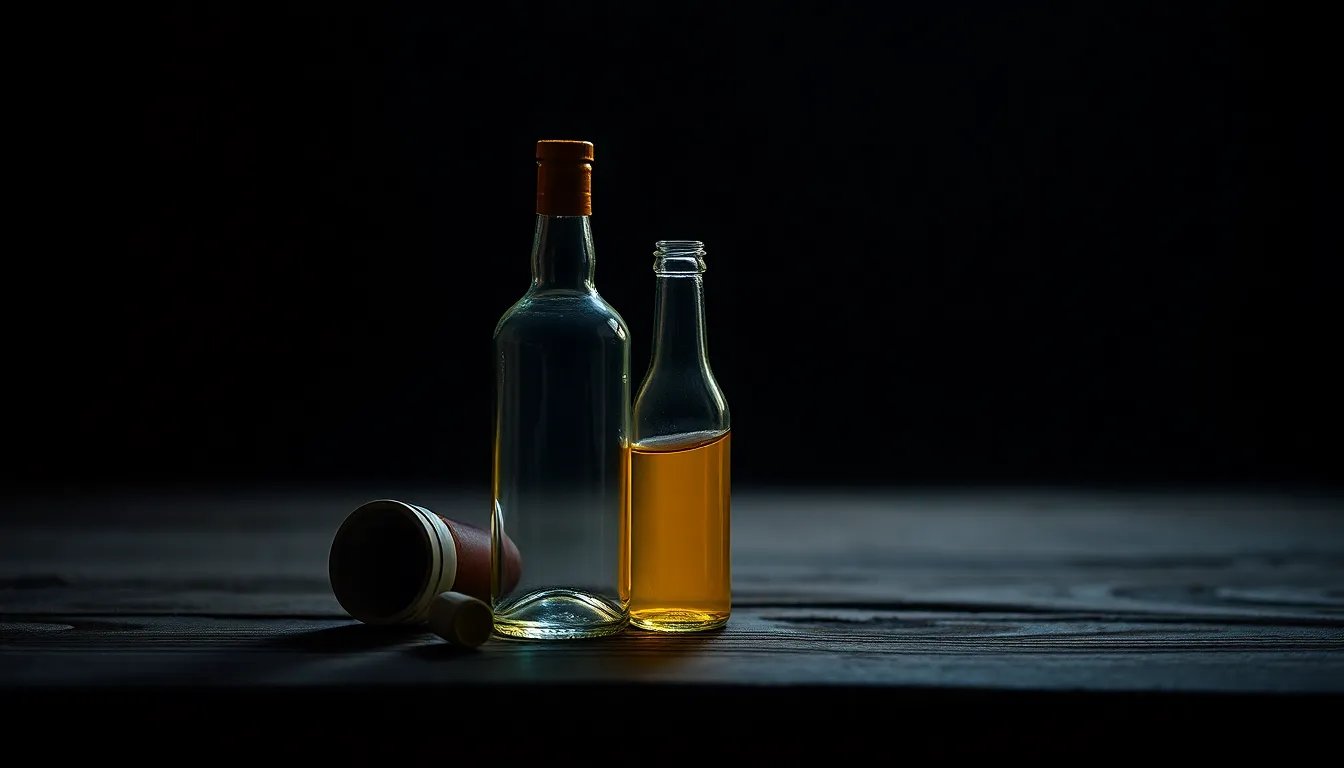
Bottle Photography: Mastering Light, Refraction, and Reflection Bottles are deceptively difficult to photograph well. Unlike matte products, they demand precision with light because every ray either enhances the product or creates distracting reflections and hotspots. After shooting hundreds of bottles—from craft spirits to skincare serums—I’ve learned that successful bottle photography isn’t about complex gear. It’s about understanding how light behaves when it hits glass. The Core Challenge: Transparent Surfaces Demand Directional Control When you photograph a bottle with direct overhead lighting, you get a blown-out reflection that obscures the product inside.

DIY Lightbox and White Background Setup: My Complete Build Guide for Sharp Product Photos

DIY Lightbox and White Background Setup: My Complete Build Guide for Sharp Product Photos

I’ve shot thousands of products on white backgrounds. Some of my best work came from a $40 lightbox I built in my garage. The difference between flat, lifeless product photos and crisp, professional images often comes down to one thing: understanding how light behaves in a contained space. Let me walk you through exactly how I build and light a DIY lightbox system that produces results comparable to studio equipment costing ten times as much.

Bottle Photography Mastery: Lighting and Composition for E-Commerce

Bottle Photography Mastery: Lighting and Composition for E-Commerce

Bottle Photography Mastery: Lighting and Composition for E-Commerce Bottles are deceptively difficult to photograph well. They’re reflective, transparent or translucent, and their value often depends on what’s inside them—yet we’re tasked with making the exterior sing. I’ve shot thousands of bottles across spirits, skincare, supplements, and beverages, and I’ve learned that success comes down to three things: light direction, background control, and understanding how glass behaves. The Physics of Bottle Lighting Glass doesn’t generate light; it reveals it.

The Lighting Science Behind Perfect Food Photography

The Lighting Science Behind Perfect Food Photography

The Lighting Science Behind Perfect Food Photography Food photography isn’t about making things look pretty. It’s about making them look delicious—and that requires understanding exactly how light interacts with texture, color, and moisture. I’ve spent years photographing everything from artisanal pastries to plated entrées, and I’ve learned that the difference between amateur and professional food shots comes down to three lighting fundamentals. Direction Matters More Than Brightness Here’s what I see constantly: photographers blast food with frontal light, flattening all dimension and making textures disappear.

The Complete Guide to Clothing Flat Lay Photography

The Complete Guide to Clothing Flat Lay Photography

The Complete Guide to Clothing Flat Lay Photography Flat lay photography has become the backbone of e-commerce clothing imagery. It’s where most customers first encounter your products—and where you either convert them or lose them. I’ve spent years perfecting this technique, and I want to share exactly what separates mediocre flat lays from ones that genuinely sell. Why Flat Lay Matters for Clothing Flat lay shots serve a specific purpose: they show entire garments cleanly, without the distraction of a model.

Mastering Flat Lay Product Photography: Composition, Lighting, and Camera Settings

Mastering Flat Lay Product Photography: Composition, Lighting, and Camera Settings

Mastering Flat Lay Product Photography: Composition, Lighting, and Camera Settings I’ve shot thousands of flat lays—everything from luxury skincare to artisan coffee. What separates images that sell from those that don’t isn’t magic. It’s methodology. Let me walk you through exactly how I approach every flat lay assignment. Why Flat Lay Works (And When It Doesn’t) Flat lay succeeds because it removes distractions. No model. No environment. Just your product and intentional styling.