Mastering Reflective Surfaces in Clothing Flat Lay Photography

Mastering Reflective Surfaces in Clothing Flat Lay Photography

Why Reflective Surfaces Matter in Flat Lay Work I learned early in my career that a flat lay isn’t truly flat—it’s a carefully orchestrated play of light, shadow, and reflection. When I shoot clothing, especially anything with texture or sheen, the surface beneath becomes as important as the garment itself. A reflective base can either sabotage your image with unwanted glare or elevate it with professional dimension. The mistake I see most often?
Mastering Reflective Surfaces in Bottle Photography: Light Control and Setup

Mastering Reflective Surfaces in Bottle Photography: Light Control and Setup

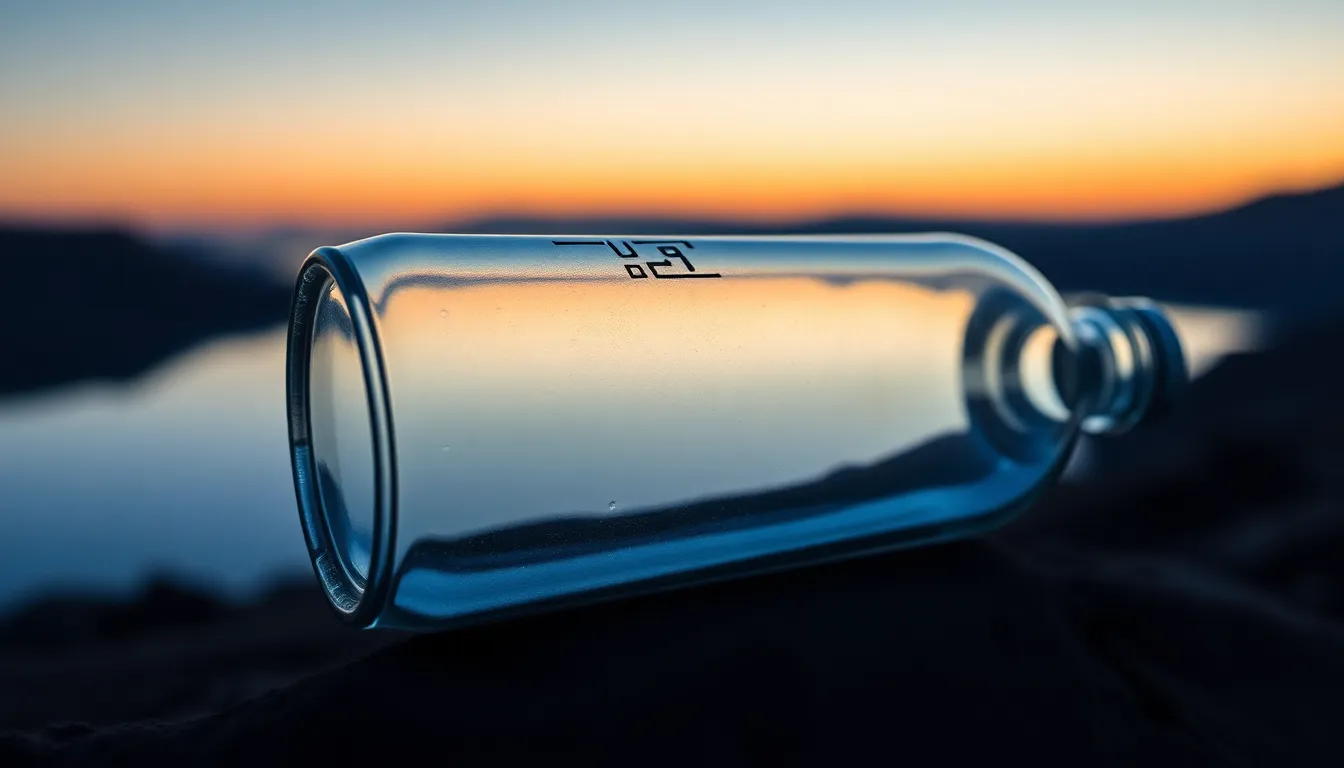
Mastering Reflective Surfaces in Bottle Photography: Light Control and Setup Bottles are deceptively difficult to photograph. That glossy or transparent surface that makes them beautiful in person becomes your enemy behind the camera—unless you understand how to work with reflection rather than against it. I’ve spent years photographing everything from wine bottles to skincare serums, and I’ve learned that reflective surfaces aren’t a problem to solve. They’re a variable to control.

Reflective Surfaces in Product Photography: Control Light Like a Physicist

Reflective Surfaces in Product Photography: Control Light Like a Physicist

I’ve watched too many product photographers struggle with harsh shadows and uneven lighting, only to discover they’re fighting against reflective surfaces instead of using them strategically. When you understand how light bounces, you stop chasing problems and start solving them methodically. Why Reflective Surfaces Matter More Than You Think Every surface in your setup reflects light—it’s not optional. Your white backdrop, the table your product sits on, even the walls behind your camera are all working for or against you.