Reflective Surfaces in Product Photography: Control Light Like a Physicist

Reflective Surfaces in Product Photography: Control Light Like a Physicist

I’ve watched too many product photographers struggle with harsh shadows and uneven lighting, only to discover they’re fighting against reflective surfaces instead of using them strategically. When you understand how light bounces, you stop chasing problems and start solving them methodically. Why Reflective Surfaces Matter More Than You Think Every surface in your setup reflects light—it’s not optional. Your white backdrop, the table your product sits on, even the walls behind your camera are all working for or against you.

Mastering Clothing Flat Lay: Lighting Setups That Sell

Mastering Clothing Flat Lay: Lighting Setups That Sell

Mastering Clothing Flat Lay: Lighting Setups That Sell I’ve shot thousands of clothing flat lays, and I can tell you this: most fail because photographers treat fabric like rigid objects. Clothing has texture, drape, and dimension that demands specific light positioning. Get the lighting wrong, and even a beautiful garment looks flat and lifeless in your final image. Let me walk you through the exact approach I use to make clothing sing in flat lay composition.

Mastering Bottle Photography: Lighting Techniques That Sell

Mastering Bottle Photography: Lighting Techniques That Sell

Mastering Bottle Photography: Lighting Techniques That Sell Bottles are deceptively difficult. They’re transparent, reflective, and unforgiving. I’ve spent years refining my approach, and I want to share exactly what works—because the difference between a flat, amateur bottle shot and a professional one comes down to understanding how light behaves on glass. Why Bottles Demand Different Lighting A bottle has three surfaces competing for attention: the liquid inside, the glass itself, and the label.

The Lighting Science Behind Perfect Food Photography

The Lighting Science Behind Perfect Food Photography

The Lighting Science Behind Perfect Food Photography Food photography isn’t about making things look pretty. It’s about making them look delicious—and that requires understanding exactly how light interacts with texture, color, and moisture. I’ve spent years photographing everything from artisanal pastries to plated entrées, and I’ve learned that the difference between amateur and professional food shots comes down to three lighting fundamentals. Direction Matters More Than Brightness Here’s what I see constantly: photographers blast food with frontal light, flattening all dimension and making textures disappear.

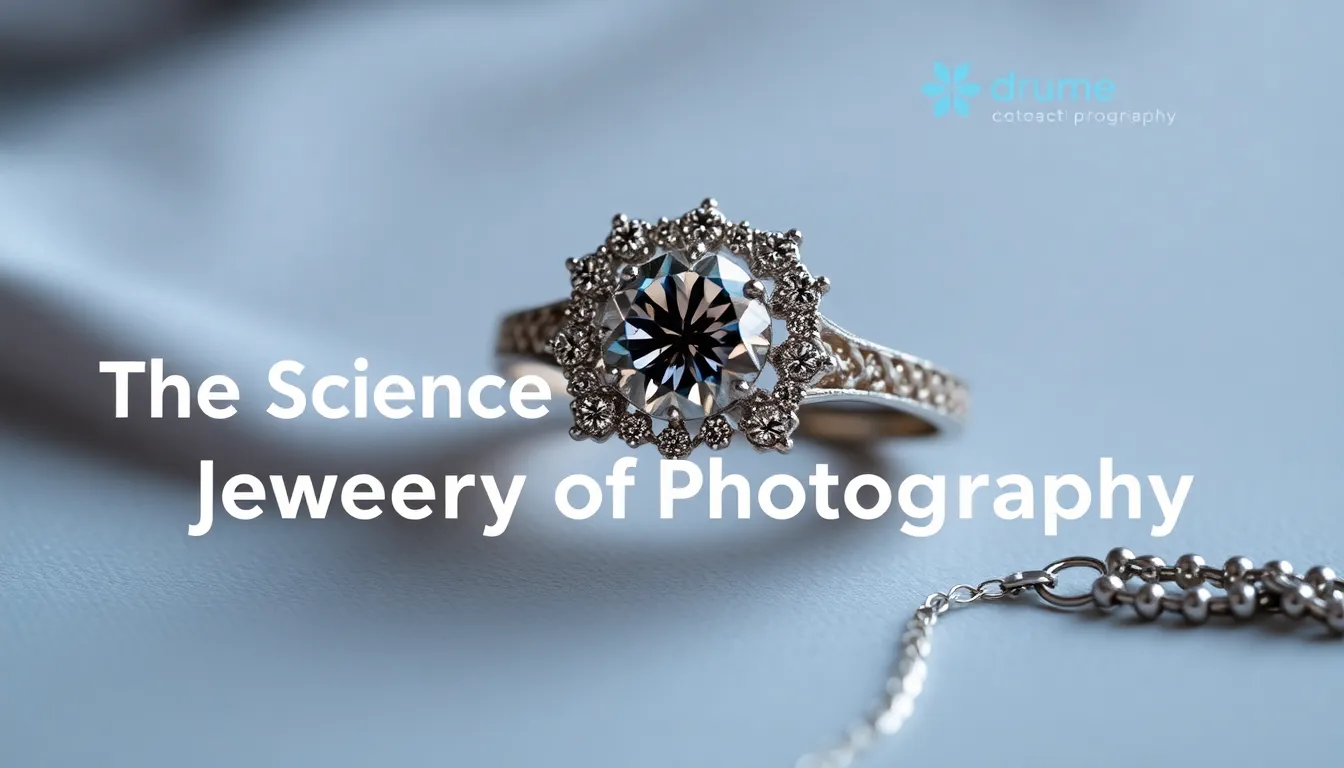
The Science of Jewelry Photography: Mastering Light and Reflection

The Science of Jewelry Photography: Mastering Light and Reflection

The Science of Jewelry Photography: Mastering Light and Reflection Jewelry photography demands obsessive attention to detail—and for good reason. A single misplaced light source can obliterate the sparkle that makes a diamond compelling, or cast your gold band in sickly yellow tones. After years of shooting everything from delicate chains to statement rings, I’ve learned that jewelry isn’t just about capturing what’s there. It’s about controlling exactly how light behaves on metal and gemstones.

Why White Backgrounds Matter in Product Photography (And How to Master Them)

Why White Backgrounds Matter in Product Photography (And How to Master Them)

Why White Backgrounds Matter in Product Photography (And How to Master Them) I photograph products for a living, and I can tell you: nothing separates amateur from professional faster than background execution. A white background isn’t just a blank canvas—it’s an optical system. Get it wrong, and your product looks flat and gray. Get it right, and it disappears into pure subject isolation. Here’s what I’ve learned after thousands of shots.

The Science Behind Etsy Product Photography: Lighting That Converts

The Science Behind Etsy Product Photography: Lighting That Converts

I’ve photographed thousands of products for Etsy sellers, and I’ve noticed a clear pattern: the listings that convert aren’t always the most expensive products—they’re the ones with the most convincing photography. The difference between a product that sits in someone’s cart and one they abandon comes down to how light hits your item and what your camera actually captures. Let me walk you through the exact approach I use. Understand Your Light Source First Before you touch your camera, you need to understand light direction and quality.

How to Build a DIY Lightbox That Actually Works for Product Photography

How to Build a DIY Lightbox That Actually Works for Product Photography

How to Build a DIY Lightbox That Actually Works for Product Photography I’ve spent years perfecting lighting in controlled environments, and I can tell you this: you don’t need $500 equipment to get professional results. A well-built DIY lightbox is about understanding how light behaves, not just throwing money at gear. Let me walk you through building one that’ll produce clean, shadow-free product images. Why a Lightbox Matters (And Why Homemade Works) A lightbox controls light diffusion and direction.

The Complete Guide to Clothing Flat Lay Photography

The Complete Guide to Clothing Flat Lay Photography

The Complete Guide to Clothing Flat Lay Photography Flat lay photography has become the backbone of e-commerce clothing imagery. It’s where most customers first encounter your products—and where you either convert them or lose them. I’ve spent years perfecting this technique, and I want to share exactly what separates mediocre flat lays from ones that genuinely sell. Why Flat Lay Matters for Clothing Flat lay shots serve a specific purpose: they show entire garments cleanly, without the distraction of a model.

Master Food Photography Lighting: The Science Behind Appetite Appeal

Master Food Photography Lighting: The Science Behind Appetite Appeal

Master Food Photography Lighting: The Science Behind Appetite Appeal Food photography isn’t about making things look pretty—it’s about controlling light to reveal texture, color, and freshness in ways that drive conversions. I’ve spent years refining my approach, and I’m going to walk you through exactly how I light food products for maximum impact. The Three-Light Foundation for Food I start every food shoot with a strict lighting hierarchy. Your key light does the heavy lifting—this is your main directional light that reveals form and texture.

Jewelry Photography: Mastering Micro-Lighting for E-Commerce

Jewelry Photography: Mastering Micro-Lighting for E-Commerce

Jewelry Photography: Mastering Micro-Lighting for E-Commerce Jewelry demands respect. Unlike clothing or electronics, a single poorly lit ring or necklace can tank conversion rates because customers can’t see what they’re actually buying. I’ve spent thousands of hours lighting gems, metals, and stones—and I want to share what actually works. The Fundamental Challenge Jewelry reflects light in ways that are either brilliant or catastrophic. A diamond should sparkle; a gold band should glow warmly.

White Background Product Photography: The Science Behind Seamless Shots

White Background Product Photography: The Science Behind Seamless Shots

White Background Product Photography: The Science Behind Seamless Shots When I started shooting products on white backgrounds, I thought it was simple: point lights at a white surface and shoot. I was wrong. White background photography is deceptively technical—it’s actually one of the most demanding setups in product work because every lighting mistake shows immediately. After years of shooting for e-commerce clients, I’ve learned that white backgrounds aren’t about brightness. They’re about separation and control.