DIY Lightbox and White Background Setup for Product Photography

DIY Lightbox and White Background Setup for Product Photography

DIY Lightbox and White Background Setup for Product Photography I’ve spent years teaching product photographers that expensive equipment isn’t the barrier to professional results—understanding light is. A DIY lightbox costs $30–$50 to build and performs just as well as studio versions costing ten times more, if you know how to construct it properly. Why Build Instead of Buy You’re not compromising when you DIY. You’re gaining control. A commercial lightbox comes in fixed dimensions.
Mastering Reflective Surfaces in Clothing Flat Lay Photography

Mastering Reflective Surfaces in Clothing Flat Lay Photography

Why Reflective Surfaces Matter in Flat Lay Work I learned early in my career that a flat lay isn’t truly flat—it’s a carefully orchestrated play of light, shadow, and reflection. When I shoot clothing, especially anything with texture or sheen, the surface beneath becomes as important as the garment itself. A reflective base can either sabotage your image with unwanted glare or elevate it with professional dimension. The mistake I see most often?

Mastering Clothing Flat Lay Photography: Lighting, Composition, and Technical Setup

Mastering Clothing Flat Lay Photography: Lighting, Composition, and Technical Setup

I’ve shot hundreds of clothing flat lays, and I can tell you this: most fail because photographers treat them like overhead snapshots instead of controlled light studies. A flat lay isn’t just about arranging items—it’s about sculpting light to reveal texture, dimension, and product detail. Let me walk you through my process. Why Flat Lay Works for Clothing E-Commerce Flat lays show multiple angles simultaneously. A customer sees how a jacket drapes, where seams sit, sleeve length, and fabric weight all in one frame.

Mastering Bottle Photography: Lighting and Composition for E-Commerce

Mastering Bottle Photography: Lighting and Composition for E-Commerce

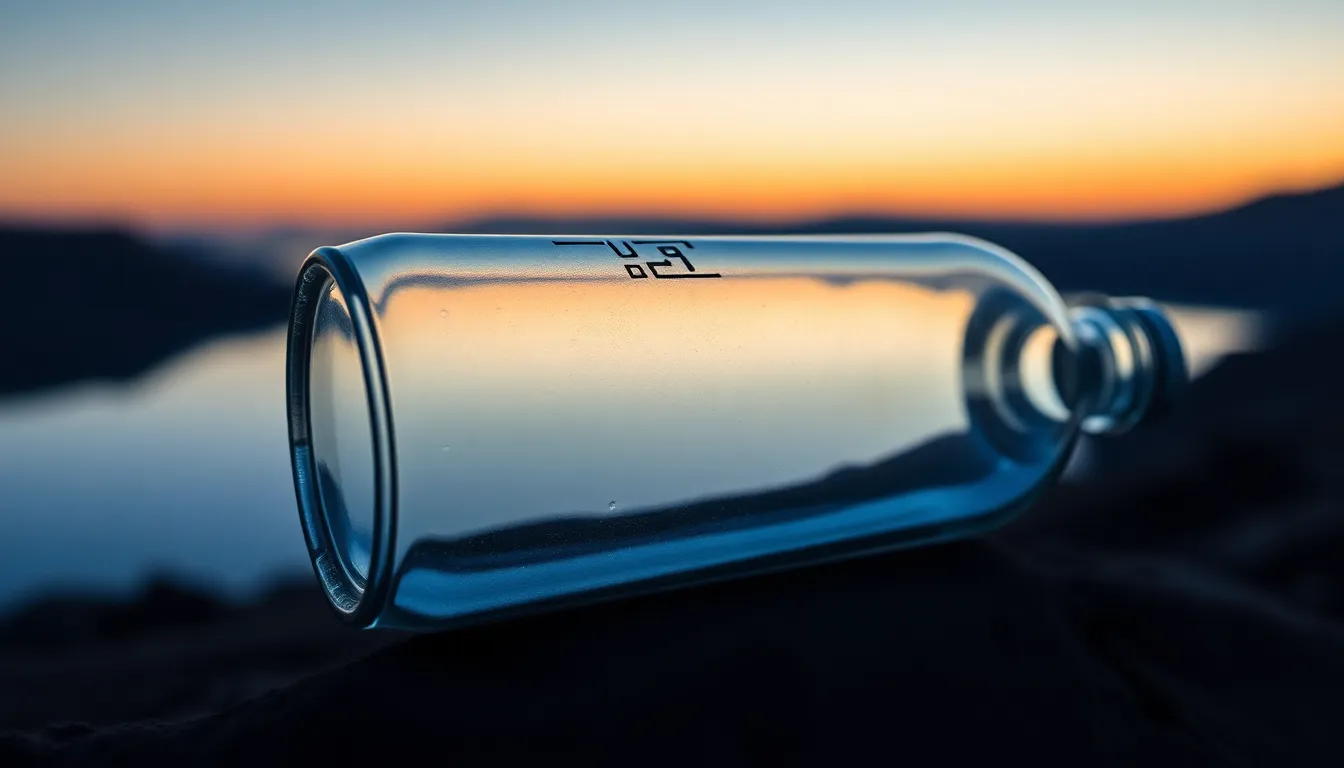
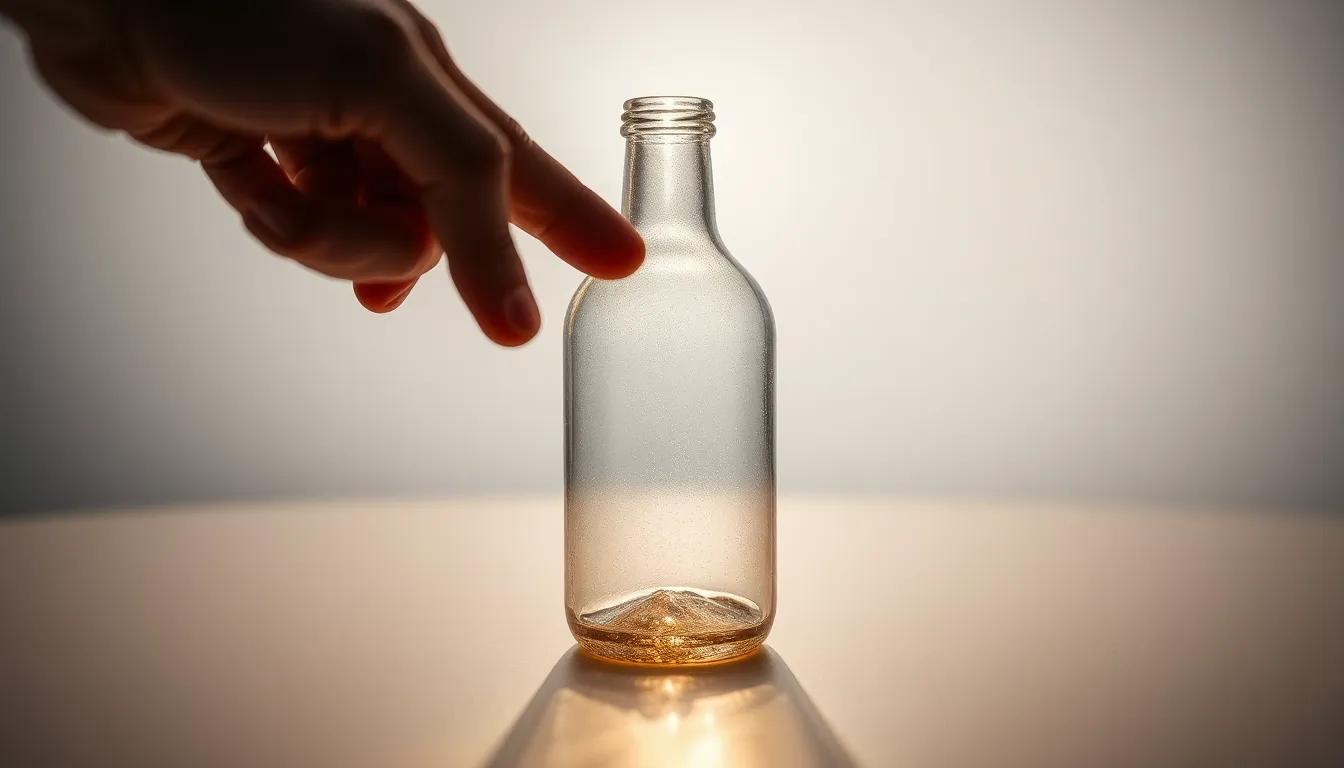
Mastering Bottle Photography: Lighting and Composition for E-Commerce Bottle photography intimidates a lot of photographers, and I understand why. You’re dealing with reflective surfaces, transparency issues, and the constant battle against unwanted highlights. But bottles are also one of the most rewarding subjects to master—once you understand the light behavior on glass, you’ll apply those principles everywhere. I’ve shot thousands of bottles: skincare, beverages, supplements, spirits. Each taught me something about controlling reflection and revealing product texture.

White Backgrounds and Reflective Surfaces: The Science of Clean Product Photography

White Backgrounds and Reflective Surfaces: The Science of Clean Product Photography

White Backgrounds and Reflective Surfaces: The Science of Clean Product Photography I’ve spent years chasing the perfect white background setup, and I’ve learned that “white” isn’t actually the simple part of product photography—getting it to stay white is where the real work happens. When you’re shooting for e-commerce, your background isn’t just empty space; it’s a critical tool for controlling light, eliminating shadows, and making your product the undeniable focal point.

Mastering Product Lighting for Jewelry: The Science of Sparkle

Mastering Product Lighting for Jewelry: The Science of Sparkle

Mastering Product Lighting for Jewelry: The Science of Sparkle Jewelry photography breaks most conventional product lighting rules. You can’t just bounce a softbox at a diamond ring and expect magic—the geometry of light hitting faceted surfaces demands precision. I’ve spent countless hours repositioning a single light by millimeters to catch the exact refraction that makes a stone sing. Here’s what I’ve learned works consistently. Why Standard Product Lighting Fails on Jewelry Most product photographers light for diffuse surfaces: wood, fabric, ceramics.

DIY Lightbox & Flat Lay Setup: How I Built a $150 Studio That Rivals $1,500 Equipment

DIY Lightbox & Flat Lay Setup: How I Built a $150 Studio That Rivals $1,500 Equipment

I spent years renting studio space before I realized I was throwing money at a problem I could solve with cardboard, fabric, and intention. Today, I’m walking you through the exact lightbox and flat lay system I built—and still use for 60% of my client work. The Materials List (Under $150) I’m not exaggerating when I say this works. You need: One white poster board ($3) as your base Four white foam boards ($20 total) for walls and ceiling White bedsheet or muslin fabric ($15)—this diffuses light evenly Two clip lamps with daylight bulbs ($40)—5000K color temperature, minimum 40W Gaff tape ($8) to hold everything without destroying surfaces White poster board or foam for reflectors (use scraps) The math is simple: soft, diffused light + white surfaces = professional fill.

Mastering Reflective Surfaces in Bottle Photography: Light Control and Setup

Mastering Reflective Surfaces in Bottle Photography: Light Control and Setup

Mastering Reflective Surfaces in Bottle Photography: Light Control and Setup Bottles are deceptively difficult to photograph. That glossy or transparent surface that makes them beautiful in person becomes your enemy behind the camera—unless you understand how to work with reflection rather than against it. I’ve spent years photographing everything from wine bottles to skincare serums, and I’ve learned that reflective surfaces aren’t a problem to solve. They’re a variable to control.

Mastering Clothing Flat Lay Photography for Etsy and E-Commerce

Mastering Clothing Flat Lay Photography for Etsy and E-Commerce

Mastering Clothing Flat Lay Photography for Etsy and E-Commerce When I first started shooting clothing for Etsy sellers, I made the mistake of thinking flat lay was simple. Just drape a shirt, snap a photo, done. I was wrong. After five years of testing every variable—from fabric tension to light angles—I’ve learned that clothing flat lay is precise work. Here’s what actually moves inventory. Why Flat Lay Dominates E-Commerce Flat lay works because it mimics how customers shop offline: they want to see the entire product at once without ambiguity.

Bottle Photography: Mastering Light, Refraction, and Reflection

Bottle Photography: Mastering Light, Refraction, and Reflection

Bottle Photography: Mastering Light, Refraction, and Reflection Bottles are deceptively difficult to photograph well. Unlike matte products, they demand precision with light because every ray either enhances the product or creates distracting reflections and hotspots. After shooting hundreds of bottles—from craft spirits to skincare serums—I’ve learned that successful bottle photography isn’t about complex gear. It’s about understanding how light behaves when it hits glass. The Core Challenge: Transparent Surfaces Demand Directional Control When you photograph a bottle with direct overhead lighting, you get a blown-out reflection that obscures the product inside.

Mastering Food Photography: Lighting and Composition for E-Commerce Success

Mastering Food Photography: Lighting and Composition for E-Commerce Success

Mastering Food Photography: Lighting and Composition for E-Commerce Success I’ve spent years lighting everything from jewelry to electronics, but food photography taught me something crucial: your light has to sell the experience, not just illuminate the subject. When a customer clicks on a pasta sauce or artisanal chocolate, they’re not just buying a product—they’re imagining taste, quality, and satisfaction. Your lighting either supports that story or undermines it. Why Food Photography Demands Different Lighting Logic Food has unique properties that most products don’t.

Jewelry Photography: Mastering Light, Reflection, and Detail

Jewelry Photography: Mastering Light, Reflection, and Detail

Jewelry Photography: Mastering Light, Reflection, and Detail Jewelry is unforgiving. A single harsh shadow across a diamond, one unwanted reflection in a polished surface, or an underexposed stone detail can cost you the sale. I’ve spent hundreds of hours refining jewelry shots, and I want to share what actually works. The Core Challenge: Controlling Reflections Every piece of jewelry is essentially a mirror. Gold, silver, diamonds, and gemstones all reflect light aggressively.