Bottle Photography Mastery: Lighting and Composition for E-Commerce

Bottle Photography Mastery: Lighting and Composition for E-Commerce

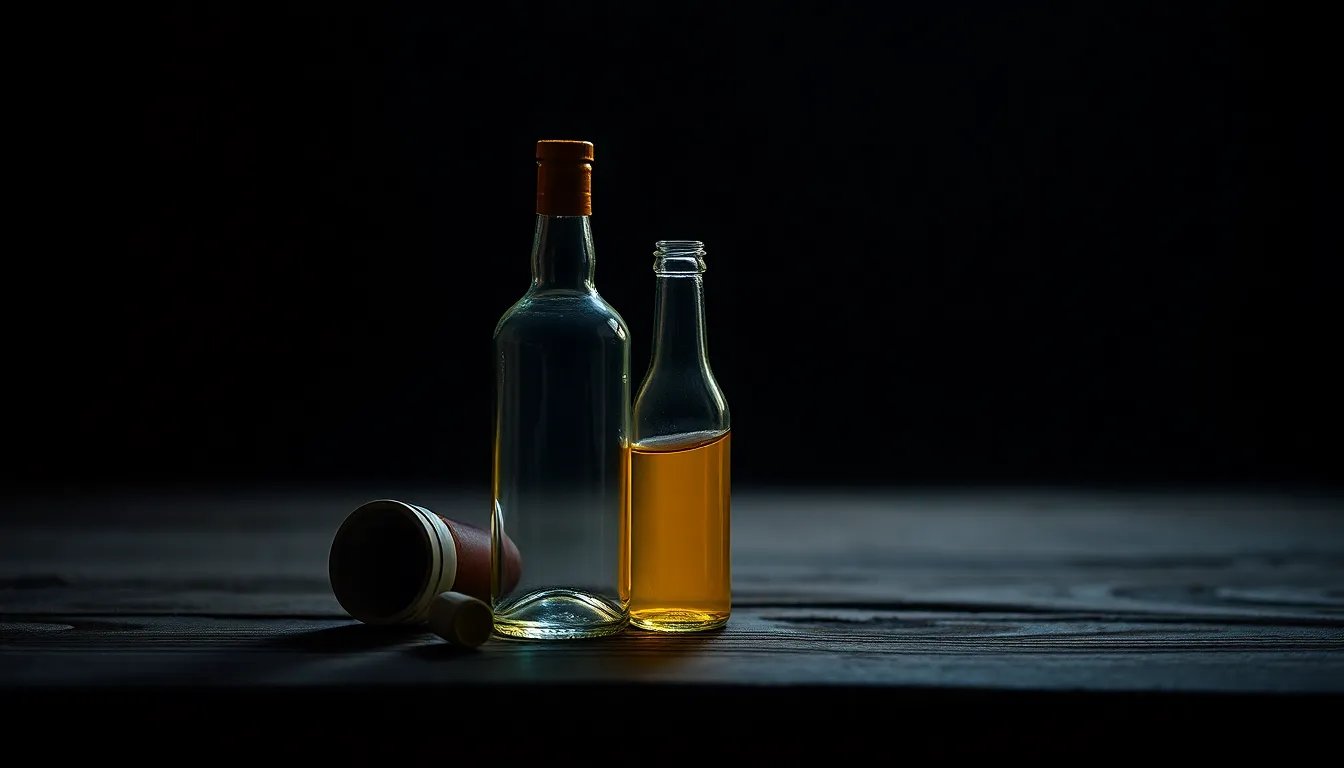
Bottle Photography Mastery: Lighting and Composition for E-Commerce Bottles are deceptively difficult to photograph well. They’re reflective, transparent or translucent, and their value often depends on what’s inside them—yet we’re tasked with making the exterior sing. I’ve shot thousands of bottles across spirits, skincare, supplements, and beverages, and I’ve learned that success comes down to three things: light direction, background control, and understanding how glass behaves. The Physics of Bottle Lighting Glass doesn’t generate light; it reveals it.
Food vs. Jewelry Photography: Why Your Lighting Strategy Must Flip

Food vs. Jewelry Photography: Why Your Lighting Strategy Must Flip

Food vs. Jewelry Photography: Why Your Lighting Strategy Must Flip I spend half my week photographing croissants and the other half photographing engagement rings. On the surface, they’re both product photography. In practice, they’re almost entirely different disciplines. The lighting strategy that makes food sing will kill jewelry—and vice versa. Understanding why that’s true will make you a sharper photographer across both categories. The Core Difference: Translucence vs. Reflection Here’s where most photographers get stuck: they approach both categories with the same assumption.

The White Background Advantage: Why Jewelry Photography Demands Perfection

The White Background Advantage: Why Jewelry Photography Demands Perfection

The White Background Advantage: Why Jewelry Photography Demands Perfection When I started photographing jewelry professionally, I quickly learned that white backgrounds aren’t just aesthetically clean—they’re scientifically superior for showing what your product actually is. A diamond’s brilliance, a gold band’s warmth, a gemstone’s depth: white backgrounds reveal all of it without distraction. But here’s what most photographers miss: white background jewelry photography requires precision that other product work doesn’t demand. There’s nowhere to hide.

Flat Lay and DIY Lightbox: My Complete Setup for Consistent Product Photography

Flat Lay and DIY Lightbox: My Complete Setup for Consistent Product Photography

Flat Lay and DIY Lightbox: My Complete Setup for Consistent Product Photography I’ve shot thousands of product images, and I can tell you this: the best camera setup means nothing without controlled light. That’s why I stopped renting studio space five years ago and built my own lightbox. Combined with intentional flat lay composition, it’s become my most reliable income-generating system. Here’s exactly how I do it. Why a DIY Lightbox Beats Natural Light for E-Commerce Natural light is beautiful but unreliable.

White Background Bottle Photography: Lighting, Setup, and Execution

White Background Bottle Photography: Lighting, Setup, and Execution

White Background Bottle Photography: Lighting, Setup, and Execution White background bottle photography is deceptively technical. Most photographers think it’s just “put it on white and shoot,” then wonder why their images look flat, dingy, or blown out. I’ve spent hundreds of hours perfecting this, and I’m going to walk you through the exact system that works. Why Bottles Are Harder Than You Think Bottles present three simultaneous challenges: transparency, reflectivity, and shape.

Mastering Product Lighting for Food Photography: A Technical Breakdown

Mastering Product Lighting for Food Photography: A Technical Breakdown

Why Food Lighting Demands Precision I’ve spent enough time behind food product shots to know this: lighting makes or breaks whether someone clicks “add to cart.” Unlike clothing or electronics, food has no second chances. A poorly lit croissant looks stale. A badly exposed sauce looks unappetizing. You’re not just documenting a product—you’re creating an appetite. The difference between mediocre and compelling food photography lives in three controllable variables: light direction, light quality, and color temperature.

Etsy Photography Fundamentals: How to Light and Compose Products That Sell

Etsy Photography Fundamentals: How to Light and Compose Products That Sell

Etsy Photography Fundamentals: How to Light and Compose Products That Sell I’ve spent the last five years photographing everything from handmade ceramics to vintage jewelry for Etsy sellers, and I’ve learned one thing: Etsy’s algorithm favors images that work harder than generic product shots. Your main listing photo determines whether someone clicks into your shop or scrolls past. That’s not pressure—that’s opportunity. I’m going to walk you through exactly how I approach lighting and composition for Etsy, because these aren’t guesses.

Build Your Own DIY Lightbox: The Exact Setup I Use for Product Photography

Build Your Own DIY Lightbox: The Exact Setup I Use for Product Photography

I built my first lightbox in 2015 with a poster board, desk lamp, and sheer fabric. That setup taught me more about light behavior than any expensive modifier ever could. Five years and hundreds of product shoots later, I still use the same principles—just refined. A DIY lightbox isn’t a compromise. It’s actually where you learn why light works the way it does. When you hand-craft your diffusion and position your sources manually, you understand exactly what’s happening in every pixel.

Reflective Surfaces in Product Photography: Control Light Like a Physicist

Reflective Surfaces in Product Photography: Control Light Like a Physicist

I’ve watched too many product photographers struggle with harsh shadows and uneven lighting, only to discover they’re fighting against reflective surfaces instead of using them strategically. When you understand how light bounces, you stop chasing problems and start solving them methodically. Why Reflective Surfaces Matter More Than You Think Every surface in your setup reflects light—it’s not optional. Your white backdrop, the table your product sits on, even the walls behind your camera are all working for or against you.

Mastering Clothing Flat Lay: Lighting Setups That Sell

Mastering Clothing Flat Lay: Lighting Setups That Sell

Mastering Clothing Flat Lay: Lighting Setups That Sell I’ve shot thousands of clothing flat lays, and I can tell you this: most fail because photographers treat fabric like rigid objects. Clothing has texture, drape, and dimension that demands specific light positioning. Get the lighting wrong, and even a beautiful garment looks flat and lifeless in your final image. Let me walk you through the exact approach I use to make clothing sing in flat lay composition.

Mastering Bottle Photography: Lighting Techniques That Sell

Mastering Bottle Photography: Lighting Techniques That Sell

Mastering Bottle Photography: Lighting Techniques That Sell Bottles are deceptively difficult. They’re transparent, reflective, and unforgiving. I’ve spent years refining my approach, and I want to share exactly what works—because the difference between a flat, amateur bottle shot and a professional one comes down to understanding how light behaves on glass. Why Bottles Demand Different Lighting A bottle has three surfaces competing for attention: the liquid inside, the glass itself, and the label.

The Lighting Science Behind Perfect Food Photography

The Lighting Science Behind Perfect Food Photography

The Lighting Science Behind Perfect Food Photography Food photography isn’t about making things look pretty. It’s about making them look delicious—and that requires understanding exactly how light interacts with texture, color, and moisture. I’ve spent years photographing everything from artisanal pastries to plated entrées, and I’ve learned that the difference between amateur and professional food shots comes down to three lighting fundamentals. Direction Matters More Than Brightness Here’s what I see constantly: photographers blast food with frontal light, flattening all dimension and making textures disappear.