Mastering Reflective Surfaces in Bottle Photography: Light Control and Setup

Mastering Reflective Surfaces in Bottle Photography: Light Control and Setup

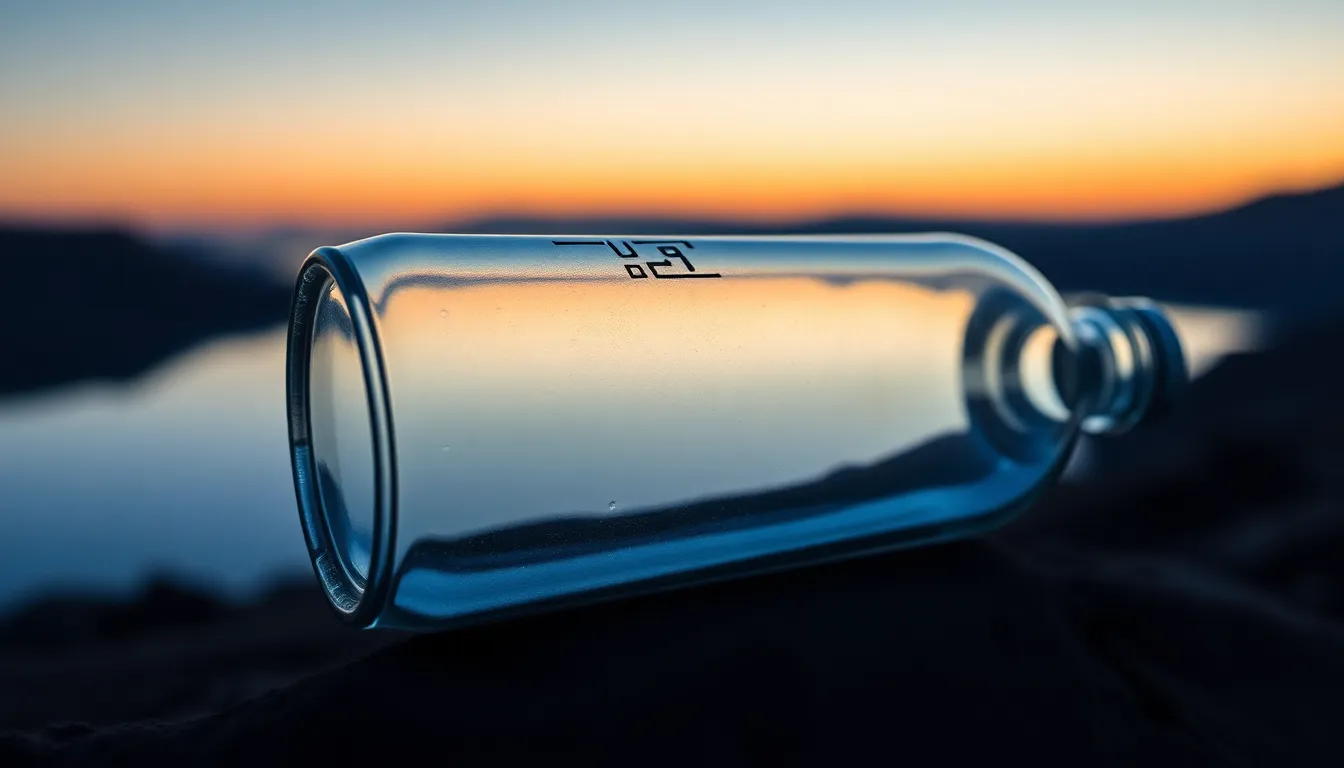
Mastering Reflective Surfaces in Bottle Photography: Light Control and Setup Bottles are deceptively difficult to photograph. That glossy or transparent surface that makes them beautiful in person becomes your enemy behind the camera—unless you understand how to work with reflection rather than against it. I’ve spent years photographing everything from wine bottles to skincare serums, and I’ve learned that reflective surfaces aren’t a problem to solve. They’re a variable to control.


Mastering Clothing Flat Lay Photography for Etsy and E-Commerce

Mastering Clothing Flat Lay Photography for Etsy and E-Commerce

Mastering Clothing Flat Lay Photography for Etsy and E-Commerce When I first started shooting clothing for Etsy sellers, I made the mistake of thinking flat lay was simple. Just drape a shirt, snap a photo, done. I was wrong. After five years of testing every variable—from fabric tension to light angles—I’ve learned that clothing flat lay is precise work. Here’s what actually moves inventory. Why Flat Lay Dominates E-Commerce Flat lay works because it mimics how customers shop offline: they want to see the entire product at once without ambiguity.

Bottle Photography: Mastering Light, Refraction, and Reflection

Bottle Photography: Mastering Light, Refraction, and Reflection

Bottle Photography: Mastering Light, Refraction, and Reflection Bottles are deceptively difficult to photograph well. Unlike matte products, they demand precision with light because every ray either enhances the product or creates distracting reflections and hotspots. After shooting hundreds of bottles—from craft spirits to skincare serums—I’ve learned that successful bottle photography isn’t about complex gear. It’s about understanding how light behaves when it hits glass. The Core Challenge: Transparent Surfaces Demand Directional Control When you photograph a bottle with direct overhead lighting, you get a blown-out reflection that obscures the product inside.

Mastering Food Photography: Lighting and Composition for E-Commerce Success

Mastering Food Photography: Lighting and Composition for E-Commerce Success

Mastering Food Photography: Lighting and Composition for E-Commerce Success I’ve spent years lighting everything from jewelry to electronics, but food photography taught me something crucial: your light has to sell the experience, not just illuminate the subject. When a customer clicks on a pasta sauce or artisanal chocolate, they’re not just buying a product—they’re imagining taste, quality, and satisfaction. Your lighting either supports that story or undermines it. Why Food Photography Demands Different Lighting Logic Food has unique properties that most products don’t.

Jewelry Photography: Mastering Light, Reflection, and Detail

Jewelry Photography: Mastering Light, Reflection, and Detail

Jewelry Photography: Mastering Light, Reflection, and Detail Jewelry is unforgiving. A single harsh shadow across a diamond, one unwanted reflection in a polished surface, or an underexposed stone detail can cost you the sale. I’ve spent hundreds of hours refining jewelry shots, and I want to share what actually works. The Core Challenge: Controlling Reflections Every piece of jewelry is essentially a mirror. Gold, silver, diamonds, and gemstones all reflect light aggressively.

Flat Lay Mastery: Building a DIY Lightbox That Actually Works

Flat Lay Mastery: Building a DIY Lightbox That Actually Works

Flat Lay Mastery: Building a DIY Lightbox That Actually Works Flat lay photography dominates e-commerce for one reason: it works. When your product is the hero and context supports it—not overwhelms it—conversions follow. But flat lay success lives or dies by lighting control. I’ve shot thousands of flat lays, and I can tell you the difference between amateur and professional results isn’t talent. It’s a properly built lightbox and understanding how light behaves inside it.

White Background Product Photography: The Science and Setup That Sells

White Background Product Photography: The Science and Setup That Sells

White Background Product Photography: The Science and Setup That Sells I’ve shot hundreds of products on white backgrounds, and I can tell you with certainty: it’s harder than it looks. A truly clean white background isn’t just about pointing a light at a white surface. It’s about controlling light falloff, managing shadows, and understanding how your camera’s sensor interprets pure white. Let me walk you through exactly how I do it.

Lighting for Etsy: How to Make Your Products Sell in Thumbnails

Lighting for Etsy: How to Make Your Products Sell in Thumbnails

Lighting for Etsy: How to Make Your Products Sell in Thumbnails I’ve spent years optimizing lighting for every platform imaginable, but Etsy presents a unique challenge that most photographers overlook: your image will spend 90% of its life at 200 pixels wide. A beautifully lit product means nothing if the thumbnail is muddy, flat, or visually lost. The physics of Etsy thumbnails demands a different lighting philosophy than Instagram or your website.

The Science Behind Better Etsy Product Photos: Lighting, Angles & Settings That Convert

The Science Behind Better Etsy Product Photos: Lighting, Angles & Settings That Convert

The Science Behind Better Etsy Product Photos: Lighting, Angles & Settings That Convert I’ve spent years photographing products for sellers who thought their listings were “fine”—until we tested better images. Within weeks, conversion rates jumped. The difference wasn’t magic. It was applied science. Etsy photography has distinct demands. You’re competing in a feed of thumbnails. Your images need to tell a story in 300×300 pixels and hold detail in a full-screen view.

DIY Lightbox and White Background Setup: My Complete Build Guide for Sharp Product Photos

DIY Lightbox and White Background Setup: My Complete Build Guide for Sharp Product Photos

I’ve shot thousands of products on white backgrounds. Some of my best work came from a $40 lightbox I built in my garage. The difference between flat, lifeless product photos and crisp, professional images often comes down to one thing: understanding how light behaves in a contained space. Let me walk you through exactly how I build and light a DIY lightbox system that produces results comparable to studio equipment costing ten times as much.

Reflective Surfaces in Flat Lay: Control Light, Control Sales

Reflective Surfaces in Flat Lay: Control Light, Control Sales

Reflective Surfaces in Flat Lay: Control Light, Control Sales I spend more time thinking about what bounces light than what creates it. That’s the secret most product photographers won’t tell you: the quality of your reflectors matters more than your key light. When you’re shooting flat lay—where every angle is visible and every shadow becomes a design element—reflective surfaces stop being optional. They become your second (and sometimes first) light source.

Mastering Clothing Flat Lay: Lighting, Composition, and Camera Settings for E-Commerce

Mastering Clothing Flat Lay: Lighting, Composition, and Camera Settings for E-Commerce

Mastering Clothing Flat Lay: Lighting, Composition, and Camera Settings for E-Commerce Clothing flat lay photography is deceptively technical. It looks simple—drape a shirt, point a camera down, shoot. But the difference between average and conversion-driving imagery comes down to how you manage light, shadows, and texture. I’ve spent years refining this process, and I want to share exactly what works. Why Clothing Flat Lay Dominates E-Commerce Before we get into technique, understand why flat lays matter for apparel.