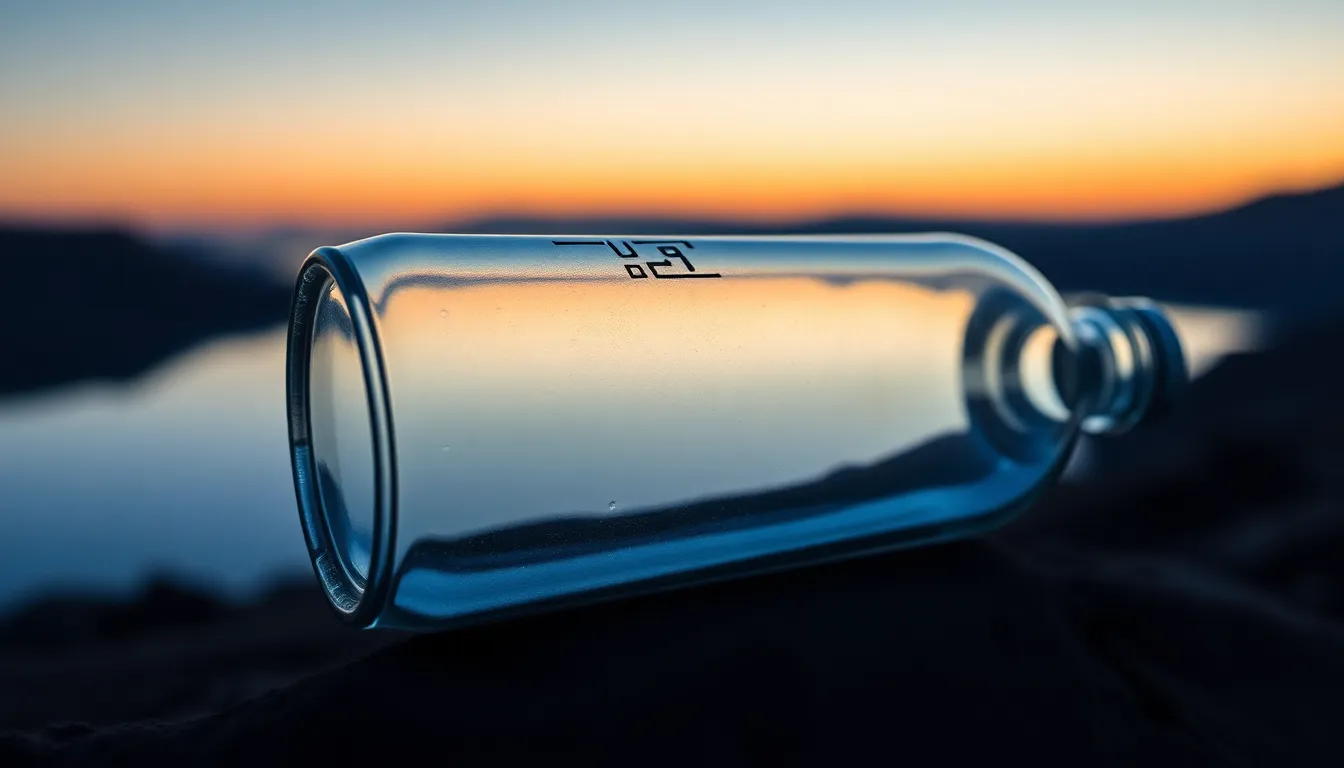
Mastering Reflective Surfaces in Bottle Photography: Light Control and Setup
Bottles are deceptively difficult to photograph. That glossy or transparent surface that makes them beautiful in person becomes your enemy behind the camera—unless you understand how to work with reflection rather than against it.
I’ve spent years photographing everything from wine bottles to skincare serums, and I’ve learned that reflective surfaces aren’t a problem to solve. They’re a variable to control. Here’s how I approach it.
Why Bottles Reflect Everything (And Why That Matters)
Glass and plastic bottles are mirrors. Every light source, every shadow, every piece of your studio gets reflected directly onto the product. If you point a bare softbox at a bottle, you’ll see the softbox shape burned into the glass. If your studio walls are cluttered, that chaos appears on your product.
This matters for e-commerce because buyers are examining your product image in detail. Unwanted reflections read as amateur work, even if your bottle itself is perfect.
The Foundation: Your Shooting Surface
Before lighting, I choose my shooting surface deliberately. I use three surfaces depending on the bottle type:
White seamless paper or vinyl reflects light upward and creates clean, bright reflections. This works for premium spirits and clear bottles where you want to show transparency. The reflection shows the base of the bottle and table surface cleanly.
Black velvet or matte black fabric absorbs light entirely. Use this when you want reflections to disappear—particularly useful for opaque bottles or when reflections are creating unwanted hotspots. The tradeoff is less visual interest in the image.
Gray mid-tone surfaces split the difference. They provide some reflection definition without being as harsh as white. I use this most often for general product work.
Lighting Strategy: The Three-Point System I Use
I light bottles using a modified three-point system that prioritizes reflection control.
Key light (main): I position a large softbox—usually 48" or larger—at a 45-degree angle to the bottle. The size matters here. Larger softboxes create softer, more forgiving reflections. I keep the light far enough back that the reflection appears as a clean highlight, not a sharp hotspot. For a standard 750ml bottle, I position the key light roughly 3-4 feet away at eye level or slightly higher.
Fill light: A second softbox or reflector fills shadow areas without creating competing highlights. I use white foam core as a reflector opposite my key light. The goal is subtle fill—just enough to see into the shadows without erasing them entirely.
Back light (rim light): A smaller light source behind the bottle creates definition and separation. This is where bottles truly shine. A 24" octabox or even a strip light positioned behind the bottle creates a rim highlight that shows shape and dimension. Position it so the light grazes the bottle edge without creating flare in the lens.
The Critical Camera Position
Your camera angle determines what reflections you capture. I shoot bottles from a 15-20 degree angle above the horizontal centerline, rather than straight-on. This angle:
- Avoids capturing the harsh reflection of the camera itself
- Shows the bottle’s lip and opening naturally
- Allows back reflections to contribute without overwhelming the image
- Works for labels while maintaining visibility of the bottle shape
If you’re shooting straight-on and seeing your camera or studio reflected, adjust your angle slightly. Even 10 degrees shifts which reflections appear in frame.
Testing Your Reflection Control
Before the final shoot, I do a quick check: take a test shot with all lights off except your key light. The reflection should be one clean band of light, not scattered hotspots. Then add other lights one at a time and observe how reflections change.
This systematic approach—surface choice, light placement, camera angle—removes guesswork. You’re not hoping reflections work out. You’re controlling them intentionally.
The payoff is images where bottles look dimensional, premium, and professional. That’s what sells.
Comments
Leave a Comment